Daydream app logoDAYDREAM

Noir

Timeless, dramatic black and white with sophisticated shadow rendering and crisp tonal separation

Timeless
Dramatic
Classic
Elegant
Sophisticated
Crisp
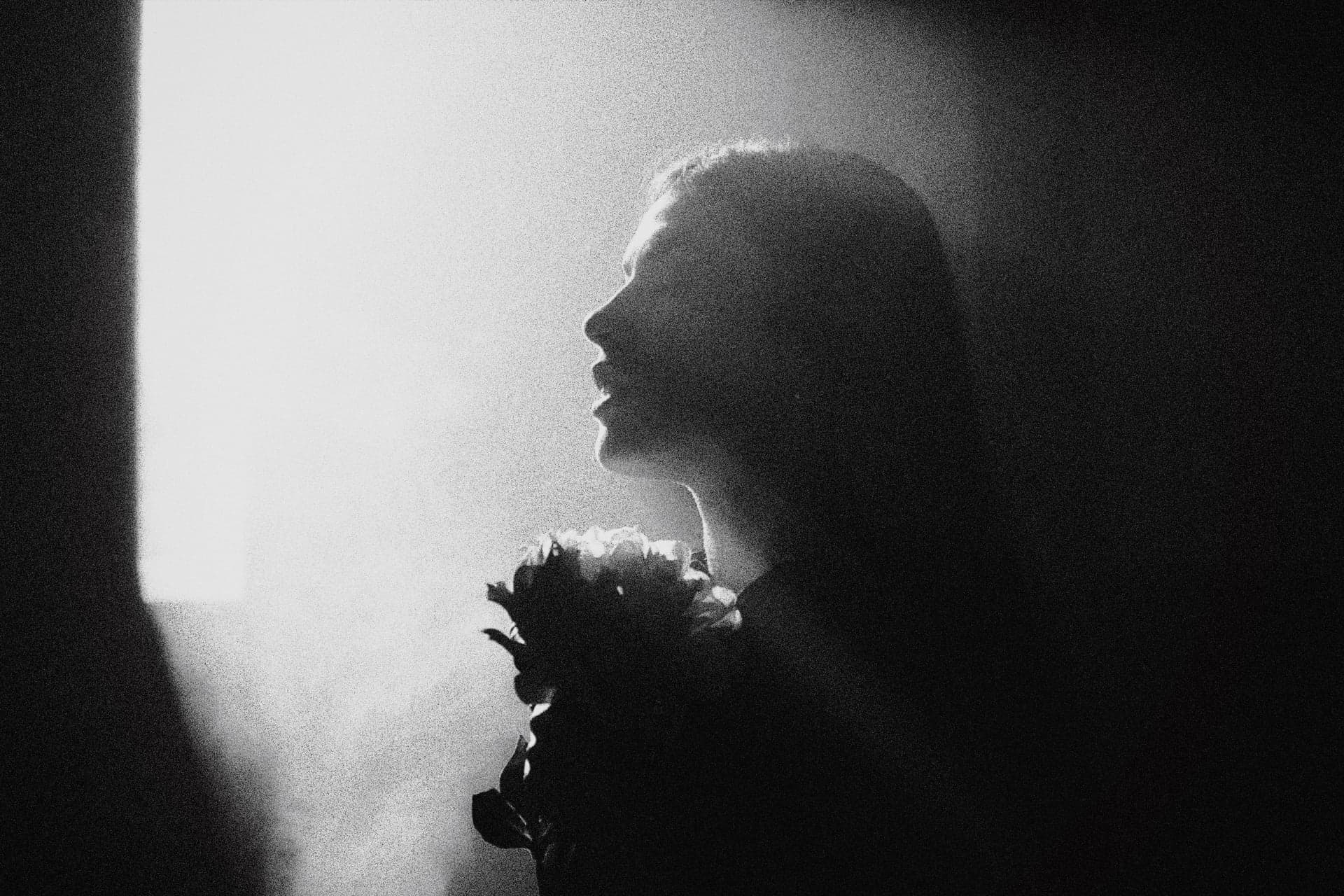
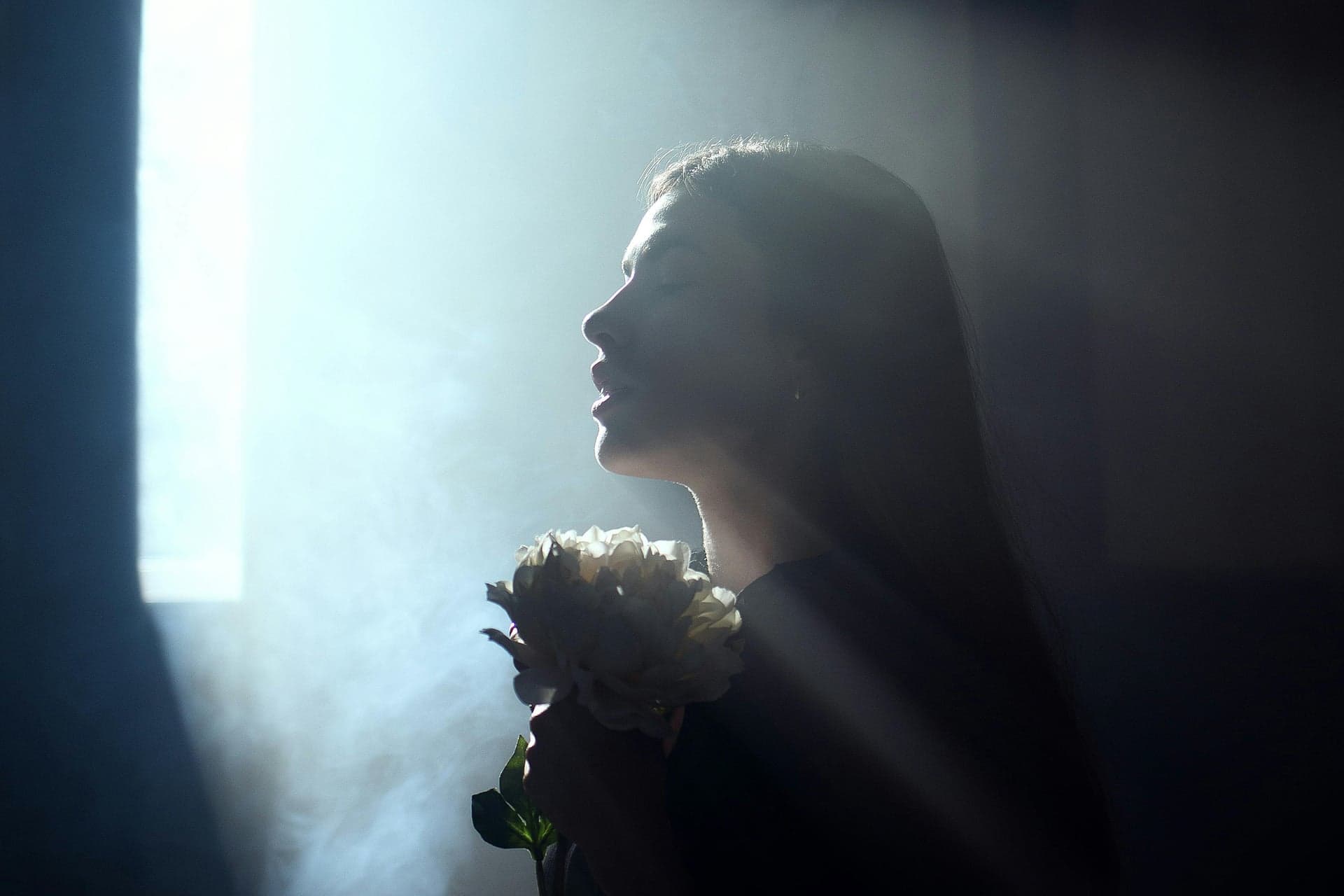
AFTER
AFTER
BEFORE
BEFORE

Noir Example 1

Color Palette

Pure Black

#0D0D0D

Shadow Gray

#3F3F3F

Mid Gray

#808080

Light Gray

#C0C0C0

Pure White

#F5F5F5

Why Choose Noir?

Rich tonal gradation from deep blacks through midtones to bright highlights

High micro-contrast (75%) emphasizes textures and fine detail

Classic B&W grain (ASA 800) adds organic, film-like character

Sophisticated shadow rendering with lifted shadows and crushed blacks for depth

Subtle sepia warmth option for vintage character

Perfect for portraits, street photography, documentary work, and fine art

Sometimes removing color reveals more than adding it. Noir strips away distraction to reveal pure tonal beauty: light, form, texture, and the relationships between tones. This is black and white film the way it was meant to be.

Sometimes the story is told better without color. Noir strips away distraction to reveal pure tonal beauty: the play of light and shadow, the texture in a weathered face, the drama of geometric shapes. This is black and white film the way it was meant to be: rich contrast, crisp detail, deep shadows that still hold information.

Noir delivers timeless black and white with sophisticated tonal rendering that separates great monochrome from simple desaturation. It's about light, form, texture, and the relationships between tones.

Shadows are lifted (+5) to preserve detail while blacks are crushed (-5) to create depth and drama. Compressed highlights (-10) prevent blown areas while maintaining luminosity, creating film-like rolloff. High micro-contrast (75%) emphasizes fine detail in faces, fabrics, and landscapes, while subtle clarity reduction (20%) prevents digital harshness.

Film grain emulates ASA 800 black and white stock, prominent in midtones and shadows like Tri-X or Delta 400 pushed to 800. Subtle sepia warmth (15%) adds vintage character without dominating. Disable the tint entirely for pure neutral monochrome.

When Noir Shines

Perfect Scenarios

  • Portrait photography with dramatic lighting – Emphasizes facial features, skin texture, and tonal beauty without color distraction
  • Street photography and urban scenes – Timeless documentary aesthetic captures raw moments with classic photojournalism character
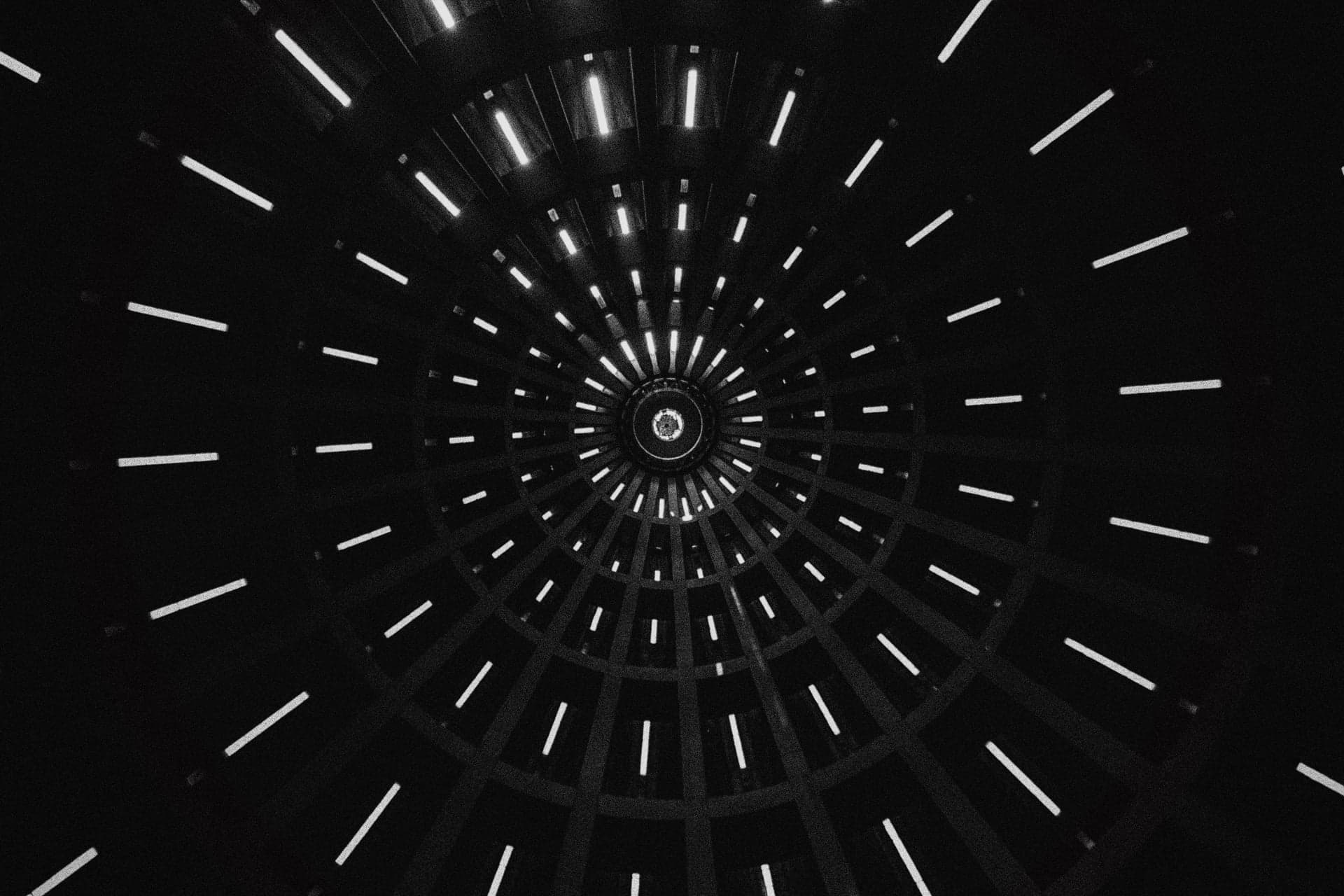
  • Architecture and geometric compositions – Form, texture, and light/shadow interplay rendered with crisp detail and tonal separation
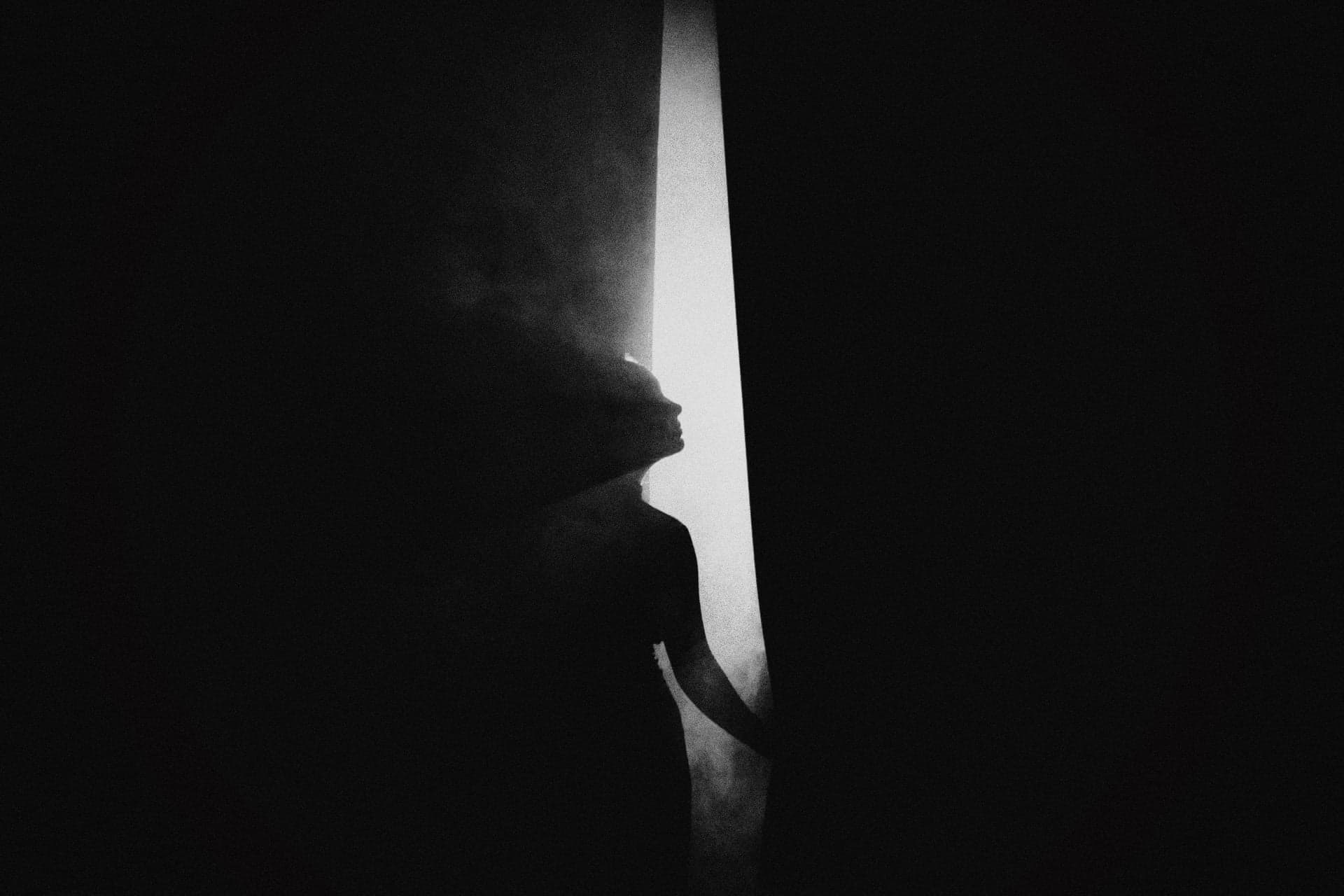
  • Window light portraits – Classic portrait lighting renders beautifully with rich tonal gradation and flattering skin rendering
  • High-contrast scenes with dramatic shadows – Lifted shadows with crushed blacks create depth while preserving detail
  • Documentary and photojournalism work – Serious, timeless aesthetic perfect for storytelling without color bias
  • Fashion and editorial photography – High-contrast editorial looks with emphasis on form, texture, and dramatic lighting
  • Fine art photography – Museum-quality black and white aesthetic with sophisticated tonal rendering
  • Overcast day portraits – Produces rich tonal gradation for classic portraiture when harsh contrast isn't available
  • Texture-rich subjects – Weathered surfaces, fabrics, natural materials rendered with crisp micro-contrast

Lighting It Loves

Noir thrives in hard directional light. That's where dramatic shadow play and highlight/shadow interplay really showcase the sophisticated tonal rendering. Window light creates classic portrait lighting with beautiful falloff from bright to dark tones. Golden hour's low-angle sun creates dimension through shadow play rather than color warmth. Overcast soft light also works beautifully, producing rich tonal gradation for portraiture without harsh contrast. High-contrast scenes are where Noir's shadow rendering excels, bringing detail to dark areas while maintaining true black for depth.

How to Get the Look

Starting Point Settings

  • Exposure: Expose for highlights; the preset will handle shadow detail naturally while maintaining blacks. Slight underexposure (-0.3 EV) creates moodier look
  • White balance: Doesn't matter much for final black and white output, but neutral (5500K) recommended for balanced tonal conversion
  • Camera approach: Think about tones, textures, and shapes rather than colors. Look for contrast; dramatic light creates dramatic black and white
  • Scene selection: Seek directional light sources for shadow/highlight interplay. High-contrast scenes showcase Noir's sophisticated tonal rendering
  • Composition: Emphasize form, geometry, texture, leading lines. Elements that work without color information

Quick Adjustments

If overall look is too contrasty

Reduce micro-contrast from 75% to 60-65% in preset controls, and lift highlights from -10 to -5. This maintains tonal character while softening the contrast.

If shadows are too dark or losing detail

Lift shadows from +5 to +15, and reduce blacks from -5 to 0 or even +5. This opens darker areas while reducing black crush.

If highlights are too bright or blown

Increase highlight pull from -10 to -15 or -20. The film-like tonal compression will preserve detail in bright skies and surfaces.

If grain is too visible or distracting

Reduce ASA setting from 800 to 400 for refined grain, or even 200 for very clean black and white suitable for smooth portraits.

If you want pure neutral black and white without warmth

Disable color tint entirely or reduce tint strength from 15% to 0%. This removes the subtle sepia character for modern, crisp neutral monochrome.

Film Stock Inspiration

Primary Inspiration

Classic B&W film stocks: Ilford Delta 400, Kodak Tri-X 400, Ilford HP5 Plus, Kodak T-Max 400

Resembles / Inspired By

  • Ilford Delta 400 – Modern black and white film with fine grain structure and excellent tonal range for professional work
  • Kodak Tri-X 400 – The legendary black and white film stock known for classic contrast, rich midtones, and organic grain character
  • Ilford HP5 Plus – Versatile black and white film with forgiving exposure latitude and rich shadow gradation
  • Kodak T-Max 400 – Modern professional black and white film with tabular grain technology for crisp, sharp rendering

Style Notes

Noir isn't tied to a single film stock but rather captures the essence of classic black and white photography. It draws from legendary stocks that defined documentary photography, fine art, and photojournalism.

Ilford Delta 400 provides the foundation for fine grain with excellent tonal range. Kodak Tri-X 400 contributes the classic contrast and organic grain structure—the most legendary black and white film stock in history. Ilford HP5 Plus adds versatile tonal rendering and forgiving exposure latitude. Kodak T-Max 400 brings sharpness and modern grain refinement.

The ASA 800 grain setting mimics pushing these films one stop, creating visible organic texture prominent in midtones and shadows. The sophisticated shadow rendering (lifted shadows with crushed blacks) and compressed highlights create that film-like tonal character.

Noir captures the spirit of these films in real-time digital photography, giving you that authentic black and white film aesthetic without the cost, wait time, or workflow complexity of shooting and developing actual film.

"Inspired by legendary B&W film stocks: Ilford Delta 400 (fine grain), Kodak Tri-X 400 (classic contrast), Ilford HP5 Plus (rich tonality), Kodak T-Max 400 (sharp detail)"

Who Noir Is For

Choose Noir if you...

  • Love classic black and white film aesthetics and want sophisticated tonal rendering beyond simple desaturation
  • Shoot portraits, street photography, documentary, or fine art work where dramatic monochrome emphasizes light and form over color
  • Appreciate visible film grain and organic texture that separates film character from clinical digital black and white

Skip Noir if you...

  • Need color rendering for your work—try Daydream for versatile balanced color or Nostalgia for warm golden-hour character
  • Want soft, dreamy black and white without grain—Noir emphasizes crisp detail and visible texture; consider enabling glow softness or reducing grain
  • Shoot subjects where color information is essential (product photography, certain fashion work, nature photography emphasizing color)

Frequently Asked Questions

Can I adjust Noir or is it fixed?

Every parameter is adjustable. The defaults are carefully calibrated for classic black and white film character, but you can tweak shadow lift, black crush, highlight compression, micro-contrast, grain level, and even add or remove sepia warmth. Once you've dialed in your perfect black and white look, save it as a custom preset.

What's the best lighting for Noir?

Noir excels in hard directional light where dramatic shadow play and highlight/shadow interplay showcase the sophisticated tonal rendering. Window light creates classic portrait lighting with beautiful gradation. High-contrast scenes are where Noir's shadow rendering really shines, bringing detail to dark areas while maintaining true blacks. Overcast light also works beautifully for softer tonal portraits.

Which film stocks inspired Noir?

Noir draws from legendary black and white film stocks: Ilford Delta 400 (fine grain and tonal range), Kodak Tri-X 400 (classic contrast and organic grain), Ilford HP5 Plus (versatile tonal rendering), and Kodak T-Max 400 (sharp detail). The preset captures the essence of great black and white film photography.

Is Noir good for portrait photography?

Yes. Noir's sophisticated shadow rendering (lifted shadows with crushed blacks) and high micro-contrast emphasize facial features and skin texture beautifully. The 50% skin protection ensures flattering tonal conversion to black and white luminance values. It's especially excellent for dramatic portrait lighting.

How is Noir different from Daydream?

Noir is pure black and white monochrome with sophisticated tonal rendering, high micro-contrast, and visible grain. Daydream is balanced color film with natural skin tones and versatile rendering across subjects. Choose Noir when you want timeless, dramatic black and white that emphasizes light, form, and texture.

Can I control the sepia tint in Noir?

Yes. The subtle sepia warmth (15% strength by default) is fully adjustable. Reduce tint strength to 0% for pure neutral black and white with no warmth, or increase to 30-40% for stronger vintage character. You can also disable color tint entirely for modern, crisp monochrome.

Ready to shoot with Noir?

Join the waitlist to be the first to access Noir and all our film presets when Daydream launches on iOS.