
Photography Guides
Interior Photography Guide: Camera Settings & Lighting Techniques
Daydream Editorial
· 12 min read
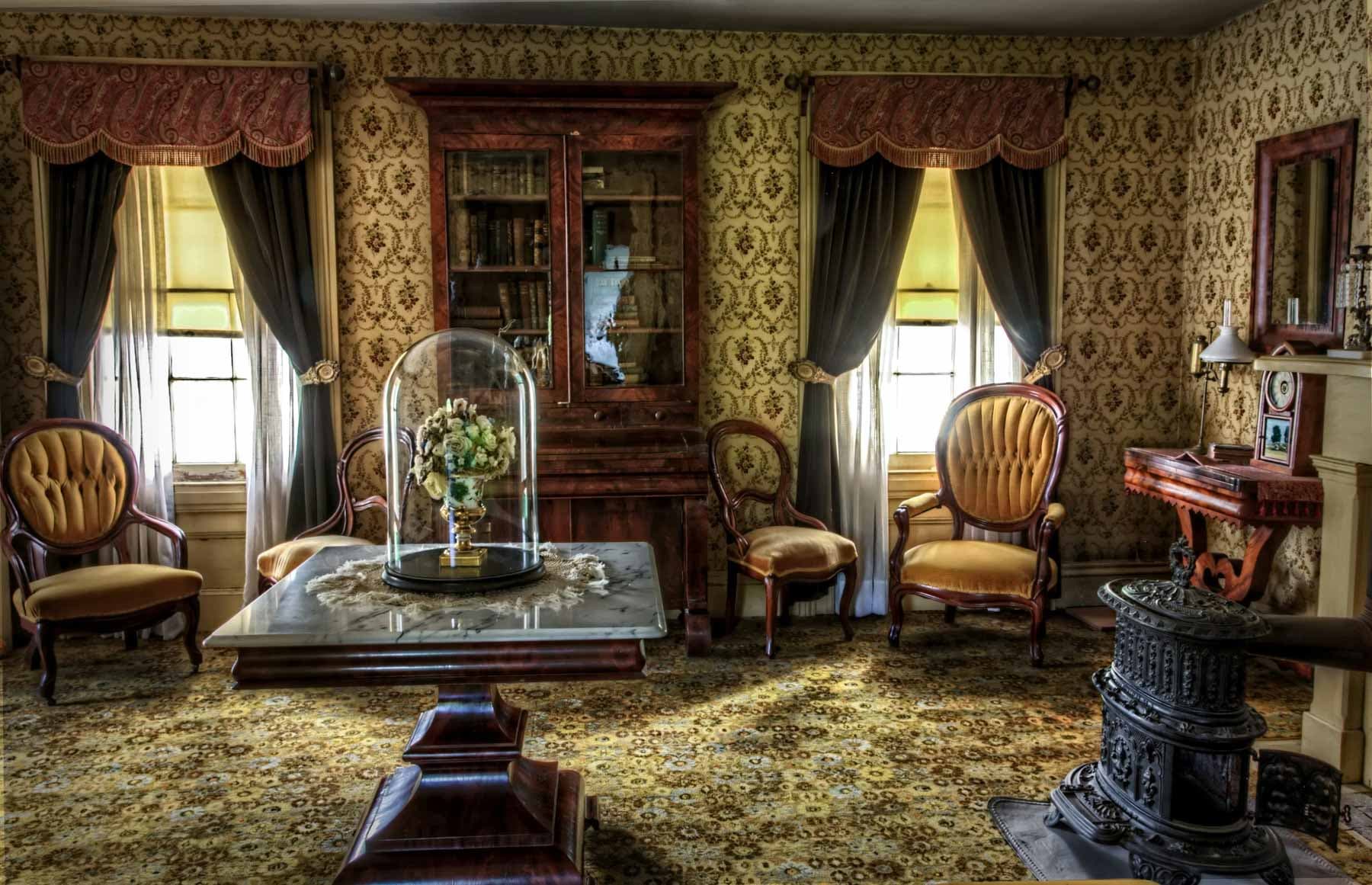
Interior photography reveals how unforgiving straight lines can be. One degree off level and the entire room looks like it's tilting. Walls lean, doorways skew, and what looked fine through the viewfinder becomes obviously crooked in the final image. Film photography demands precision because you can't check results after each shot. You meter, compose, trust your instincts, and wait weeks to see if you nailed it.
What You'll Learn
This comprehensive guide covers everything you need to master interior photography on film—from essential gear and camera settings to composition techniques, lighting strategies, and post-processing workflow. Whether you're shooting for architecture photography, brand photography, or personal documentation, you'll find actionable advice to capture spaces with authentic film aesthetics.
Who This Guide Is For
Photographers (beginners to intermediate) who want to document architectural spaces, capture design work professionally, and create portfolio-worthy interior images without relying on digital instant feedback.
The challenge and reward of interior photography
Interior photography demands technical precision and spatial awareness. You're balancing bright windows with dark corners, keeping vertical lines straight, and composing in tight spaces. On film, these challenges multiply without instant feedback.
When you nail it, you capture spaces with depth that makes viewers feel present. Film's latitude handles contrast gracefully. The difference comes down to metering technique, composition discipline, and understanding film's response to mixed lighting.
Essential equipment for interior photography
You don't need expensive gear to shoot great interior photos, but certain tools matter. Film photography requires deliberate choices.
Camera body requirements
Manual SLRs with depth-of-field preview and cable release sockets ensure stability. A Nikon FE2 handles interior work well with reliable metering. The Pentax 67 delivers exceptional detail for medium format. Budget option: a Contax G2 or Yashica T4 provides excellent optics on the used market.
Lenses that work
Wide-angle lenses (24mm to 35mm) capture entire rooms without extreme distortion. A 28mm f/2.8 offers versatility. Avoid going wider than 24mm unless you want pronounced perspective. For detail shots, a 50mm f/1.8 isolates elements. Budget alternative: the Olympus Mju II offers sharp 35mm optics.
Film stocks & accessories
Portra 400 delivers excellent latitude for mixed lighting. Portra 160 renders soft pastels and matte colors in bright spaces. Ektar 100 provides saturated colors for abundant natural light. Kodak Gold offers affordability. Black and white film emphasizes architectural lines.
Essential accessories: sturdy tripod, exposure meter, cable release, bubble level.
Camera settings for interior photography
Start with these settings as your foundation, then adapt based on conditions.
Exposure & metering
For interior photography, meter for midtones and use film latitude to handle highlights and shadows. Portra 400 has 5+ stops of latitude. Spot metering on a neutral wall gives accurate baseline exposure.
Settings recipe for mixed lighting:
- Film: Portra 400 (ISO 400)
- Aperture: f/8 (depth of field throughout)
- Shutter speed: 1/15s to 1 second (tripod required)
- Metering: Center-weighted for room balance
- Push/pull: Normal processing
Metering for midtones creates pleasing window light that doesn't blow out. At $18 per roll, bracket important shots but shoot intentionally.
- •Film: Portra 400 (ISO 400)
- •Aperture: f/8 (depth of field throughout)
- •Shutter speed: 1/15s to 1 second (tripod required)
- •Metering: Center-weighted for room balance
- •Push/pull: Normal processing
Focus technique
Manual focus on the main architectural element ensures sharp results. Use split-prism focusing screens at the one-third depth point. At f/8-f/11, depth of field extends from 6 feet to infinity when focused at 10 feet.
Zone focusing works for wider shots. Set focus to 8-10 feet at f/11 for sharpness throughout. With practice, you'll nail focus 95% of the time.
Film handling & technique
Track your frames to avoid running out mid-room. Each frame costs approximately $1.50 including development. Bracket challenging mixed-light scenes: meter reading, +1 stop, -1 stop.
Composition & creative techniques
Technical settings get you sharp images. Composition makes them compelling.
Framing & perspective
Shooting straight-on at chest height creates clean compositions. Getting low (waist height) emphasizes furniture. Shooting from corners captures maximum context. Include doorways as natural frames.
Position yourself so architectural elements don't awkwardly intersect. A fireplace mantel shouldn't cut through a window frame. Step left or right to separate elements cleanly.
Leading lines & shapes
Look for lines that guide the eye. Hallways, floor patterns, and ceiling beams create leading lines. Position yourself so these elements draw viewers from foreground to background.
Vertical lines from doorframes create structure. Horizontal lines from furniture provide stability. Diagonal lines add dynamic energy. Repetition creates rhythm.
Depth & layering
Interior photos gain depth through foreground, middle ground, and background elements. Include a chair edge in foreground, main room in middle ground, window in background.
At f/8-f/11, everything from 6 feet to infinity stays sharp. Shoot through doorways to add framing. Position furniture at different distances to build dimension.
Genre-specific composition tips
Align vertical elements precisely. Use your camera's grid or bubble level to ensure walls meet ceilings at perfect right angles. Keep your camera back parallel to the main wall to avoid converging verticals.
Lighting techniques for interior photography
Light makes or breaks interior photos. Film's response to mixed lighting creates unique challenges.
Natural light strategies
Overcast days provide even illumination that film renders beautifully. Window light from the side creates dimension. Position yourself so side light illuminates key features while shadows add depth.
Direct sunlight creates extreme contrast. Shoot early morning or late afternoon when sun angles are lower. Use sheer curtains to diffuse direct sun, or shoot when clouds provide natural diffusion.
Overcast conditions are ideal. Soft light from windows fills rooms without harsh shadows. Meter for ambient light and let windows go slightly bright. Open all curtains to maximize natural light.
Artificial light approach
Turn off all artificial lights. Interior lamps cast yellow color casts that film records faithfully. Tungsten bulbs create warm orange tones. Fluorescent lights add green casts.
If you must use artificial light, bounce flash off white ceilings to create soft fill. Set flash to -1 or -2 stops below ambient exposure. Off-camera flash positioned near windows can supplement weak natural light.
Challenging lighting scenarios
Interior photography often means extreme contrast between bright windows and dark corners. Expose for the room and accept slightly bright windows. Film handles this gracefully. Use an exposure meter to measure both window light and room ambient, then expose between them.
If difference exceeds 5-6 stops, you'll need to compromise. Portra 400 handles this range well.
Interior photography workflow & shooting tips
A systematic approach increases success and reduces wasted film.
Preparation & planning
Scout light at different times of day. Visit beforehand to note when natural light is most even. North-facing rooms have consistent light. South-facing rooms get direct sun. Schedule shoots for optimal conditions.
Checklist: scout location, identify angles, plan room order, check gear (3-4 rolls loaded, batteries fresh, tripod stable).
Arrive 30 minutes early to set up and test meter readings.
During the shoot
Start with establishing shots, then progress to medium shots and close-ups. Shoot systematically room by room.
Shot list: wide shots (entire room), medium shots (furniture groupings), close-ups (textures, details), variations (different angles).
Work methodically. Compose, meter, check level, shoot. Sessions typically last 2-4 hours.
Adapting to challenges
When light changes, re-meter and adjust. When rooms are too small, shoot from adjacent hallways. When contrast is extreme, expose for shadows and accept bright windows.
Film's latitude often saves shots that would fail on digital.
Post-processing interior photography
Interior photos benefit from careful scanning and minimal editing.
Essential adjustments
Communicate with your lab about exposure preferences. Request scans that preserve window detail without crushing shadows.
Workflow: straighten lines, adjust levels for tonal range, subtle S-curve for contrast, correct color casts.
Interior images typically need vertical correction. Photoshop or Lightroom's transform tools fix converging verticals.
Consistency & style
Scan all film from a project with the same lab settings. Batch process basic adjustments. Individual tweaks handle specific variations.
Common mistakes & how to avoid them
Even experienced photographers make these mistakes.
Mistake 1: Tilted camera
Tilted verticals make rooms look unstable. Instead, use a tripod with bubble level. Check that vertical lines align with your viewfinder grid.
Mistake 2: Mixed color temperatures
Leaving artificial lights on creates yellow-green color casts. Instead, turn off all interior lights and rely on natural light.
Mistake 3: Insufficient depth of field
Shooting at f/2.8 leaves rooms partially out of focus. Instead, shoot at f/8-f/11 for front-to-back sharpness. Use a tripod for longer exposures.
Mistake 4: Poor composition planning
Shooting from standing height creates boring images. Instead, shoot from chest or waist height. Position yourself to align architectural elements cleanly.
Mistake 5: Underexposing for windows
Metering for bright windows underexposes the room, creating muddy shadows. Instead, expose for ambient light and let windows go slightly bright. Film latitude handles this gracefully.
Pro interior photography tips & techniques
Once you've mastered the basics, these advanced techniques elevate your interior photography.
Pre-visualize in monochrome: Black and white film emphasizes architectural lines and removes color distractions. Shoot Tri-X or HP5 to focus purely on form, light, and shadow. This trains your eye for composition.
Bracket mixed lighting: Shoot three exposures of challenging scenes: one for room ambient, one for window detail, one halfway between. Choose the best during scanning or blend them digitally.
Use corner positioning: Shooting from room corners captures maximum context with natural perspective. Position yourself in the corner diagonal from the room's focal point for dynamic compositions.
Embrace film grain: Medium format (Pentax 67) provides fine grain and exceptional detail for large prints. 35mm grain adds character to architectural documentation. Don't fight the grain; it's part of film's aesthetic.
Gear recommendations summary
* Prices as of December 2024 – always check current pricing. These are starting points, not requirements.
| Category | Budget Option | Mid-Range | Professional |
|---|---|---|---|
| Camera Body | Olympus Mju II ($150-300) | Contax G2 ($800-1200) | Nikon FE2 ($300-500) |
| Primary Lens | 35mm f/2.8 ($150-300) | 28mm f/2.8 ($300-600) | 24mm f/2.8 TSE ($1500+) |
| Film Stock | Kodak Gold 200 ($8-10/roll) | Portra 400 ($12-15/roll) | Ektar 100 ($12-15/roll) |
| Key Accessory | Basic tripod ($30-50) | Manfrotto tripod ($150-300) | Gitzo tripod ($400-800) |
FAQs (intent catchers)
What are the best camera settings for interior photography?
For interior photography on film, start with aperture priority or manual mode, f/8-f/11 for front-to-back sharpness, 1/15s to 1 second shutter speed (tripod required), and ISO 400 film for versatility. Meter for the room's ambient light, not the windows. Use center-weighted or spot metering on a neutral wall. These settings work in most interior spaces with natural light, but adjust exposure based on your meter readings.
What camera is best for interior photography?
The best camera for interior photography has reliable metering, cable release capability, and accepts wide-angle lenses. The Nikon FE2 excels at interior work with accurate metering and sturdy build quality, while the Contax G2 offers exceptional optics and compact size at a higher price point. For beginners, the Olympus Mju II delivers sharp results without manual controls. Honestly, a tripod and proper technique matter more than expensive camera bodies.
How do I photograph interiors in low light?
Interior photography in low light requires slower shutter speeds and a tripod. Open your aperture to f/5.6 or f/4 (sacrificing some depth of field), use ISO 400 or 800 film, and embrace shutter speeds from 1/8s to several seconds. Settings: f/5.6, 1/4 second, ISO 400 Portra (don't fear grain—film handles it beautifully). Turn off all artificial lights and maximize natural light by opening curtains. Bracket exposures to ensure you capture usable images.
What lens should I use for interior photography?
For interior photography, 24mm to 35mm focal lengths work best on 35mm cameras because they capture entire rooms without extreme distortion. A 28mm f/2.8 is excellent for most interior work, while a 24mm f/2.8 offers wider coverage for tight spaces. Aperture matters: f/2.8 gives you flexibility in lower light. Budget option: the Olympus Mju II's fixed 35mm f/2.8 delivers 90% of the quality for a fraction of the price.
How do I keep lines straight in interior photography?
Straight lines in interior photography require a level camera and proper positioning. Use a tripod with bubble level to ensure your camera back is perfectly vertical. Position yourself so you're shooting straight at the main wall, not angled up or down. Check your viewfinder grid to verify vertical lines align with the grid. If lines converge, adjust your camera position or height. Tilt-shift lenses correct perspective optically, but proper technique eliminates most issues.
What are common interior photography mistakes?
The most common interior photography mistakes are: tilted camera angles (use a tripod and level), mixed color temperatures from artificial lights (turn them off), insufficient depth of field (shoot at f/8-f/11), and poor exposure balance (meter for the room, not windows). Underexposing to preserve window detail is the most detrimental—it creates muddy shadows and defeats film's latitude advantage.
What film stock is best for interior photography?
For interior photography, Portra 400 offers the best balance of latitude, color accuracy, and versatility. It handles mixed lighting well and provides 5+ stops of exposure forgiveness. Portra 160 works beautifully in bright, well-lit spaces for soft pastels and fine grain. Ektar 100 provides saturated colors and exceptional sharpness in abundant natural light. For black and white work, HP5 Plus or Tri-X emphasize architectural lines and texture. Start with Portra 400 and branch out based on your aesthetic preferences.
How do I handle bright windows in interior photos?
Bright windows in interior photos require exposing for the room's ambient light and accepting slightly bright windows. Film's highlight rolloff handles this gracefully, creating natural-looking window light. Meter the room's midtones (a neutral wall), not the windows. At f/8, ISO 400, your shutter speed might be 1/15s to 1/2 second. The windows will be 3-4 stops brighter but won't blow out completely. This creates depth and realism. Alternatively, bracket exposures and choose the best balance during scanning.
Conclusion: Your interior photography journey
Interior photography demands technical precision, patience, and an understanding of how film responds to mixed lighting, but the results capture spaces with dimension and authenticity that digital struggles to match. Start with proper leveling and natural light—these fundamentals matter more than expensive gear. Practice builds metering skills and compositional eye faster than overthinking every shot.
Remember: even professional interior photographers bracket challenging exposures and occasionally get tilted verticals. Every experienced photographer struggled with mixed lighting and converging lines when starting. The difference is persistence and learning from each roll.
Next steps:
- Load a roll of Portra 400 and shoot one room at different times of day
- Practice keeping your camera level using a tripod and bubble level
- Study how window light changes throughout the day in your space
Your unique perspective on interior photography matters because every space tells a story through light, form, and texture. Now get out there and document the spaces around you.
- •Load a roll of Portra 400 and shoot one room at different times of day
- •Practice keeping your camera level using a tripod and bubble level
- •Study how window light changes throughout the day in your space
Author notes (E-E-A-T)
Written by: Daydream Content Team — photographers and designers with 15+ years of combined experience shooting interiors, architecture, and commercial spaces on film and digital.
Experience: Hundreds of interior shoots for residential clients, design firms, and architectural documentation. Extensive work with medium format and 35mm film in challenging mixed-lighting conditions.
Gear used: Nikon FE2, Pentax 67, Contax G2, various wide-angle and standard lenses. Primary film stocks: Portra 400, Portra 160, Ektar 100, HP5 Plus.
Teaching background: Workshops on film photography technique, lighting, and composition for photographers transitioning from digital to film.
Conflicts of interest: Daydream is our film emulation app. We believe in authentic film photography and created Daydream to make film aesthetics more accessible.
Related Topics
Join the iOS Beta
Join the beta to experience authentic film photography with Daydream Film when we launch.