
Film Reviews
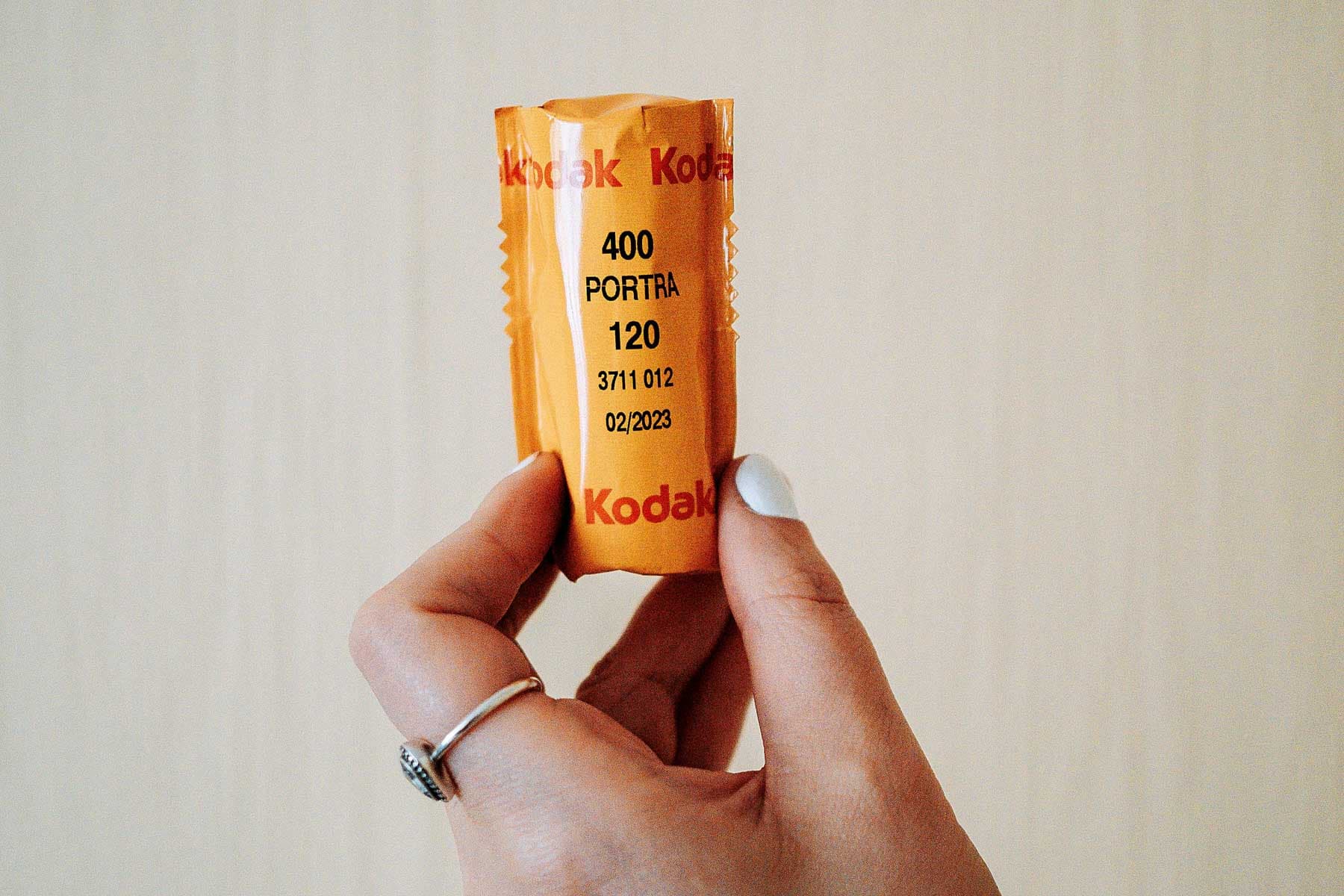
Kodak Portra 400 Review: The Portrait Film That Does Everything

Shane Labelle
· 9 min read
Verdict
Kodak Portra 400 delivers exceptional dynamic range (12 stops), world's finest grain at 400 speed, and natural skin tones in the most versatile professional color negative film available. Best for portraits, weddings, and any situation requiring reliable, flattering results.
Film photographers debate Kodak Portra 400 endlessly: some call it the gold standard with unmatched dynamic range and skin tones perfect for professional work. Others question whether it's worth double the price of consumer films, especially given its muted contrast. The debate centers on whether Kodak Portra 400's versatility justifies its premium cost.
Kodak Portra 400 Background
Kodak introduced Portra 400 in 1998 as a professional color negative film designed specifically for portrait and wedding photography. The current emulsion dates from 2010, when Kodak merged the earlier Natural Color (NC) and Vivid Color (VC) variants into a single film. Digital scanning had made the distinction between NC and VC unnecessary, so consolidation made sense. Available in 35mm, 120, 4x5, and 8x10 formats.
Key features include ISO 400 daylight-balanced speed, exceptional 12-stop dynamic range (this is the film's superpower), T-grain emulsion for fine grain, optimization specifically for skin tones, and DX-coding for automatic camera settings. Within the film community, Kodak Portra 400 has earned legendary status as the most popular color negative film, the benchmark against which all others are measured.
Kodak Portra 400 Image Characteristics
Color & Tone
Kodak Portra 400's color palette is warm, muted, and beautifully natural, it's the film that made "the Portra look" famous. Reds and oranges render with a peachy-warm bias, yellows stay true to life, greens are organic and believable, and blues remain accurate without going cold. But skin tones are the real star here, that natural peachy-warm rendering with a slight magenta bias creates flattering, lifelike portraits that need minimal correction. The film shows low-medium contrast with smooth tonal gradation that's forgiving in post. Think natural, pastel, muted rather than punchy, this isn't Ektar. In mixed lighting, colors stay remarkably balanced, and while it's daylight-balanced at 5500K, tungsten light renders a warm glow that's often quite beautiful. Overexposure by 2-3 stops creates that distinctive "pastel" look with lifted highlights that's become something of a signature aesthetic. The overall mood is natural, professional, and incredibly versatile. This balanced character actually inspired our Daydream preset's color science.
Contrast & Dynamic Range
Kodak Portra 400 delivers exceptional dynamic range of roughly 12 stops, rivaling modern digital cameras and making it one of the most forgiving films ever made. This is genuinely the film's superpower. It handles 2 stops underexposure and 3+ stops overexposure with grace, forgiving metering errors better than any other color negative on the market. In harsh sunlight, Kodak Portra maintains shadow detail while preserving highlights beautifully. Overexposure shifts midtones toward that signature pastel look many photographers chase. The shoulder is gentle (highlights roll off smoothly), while the toe is forgiving (shadows retain detail even when underexposed). Contrast is low-medium, giving you plenty of room to work in post.
Grain & Sharpness
As Kodak's "world's finest grain at 400 speed," Kodak Portra 400 shows remarkably fine grain that punches well above its ISO rating. In 35mm, grain is barely noticeable in 11x14 prints, while in 120 format it virtually disappears, giving you medium format smoothness. Sharpness is excellent with beautifully defined edges and fine detail throughout the frame. The T-grain technology delivers exceptional resolving power that makes this film suitable for professional work. Kodak's Print Grain Index of 44 is significantly finer than most 400-speed films on the market. The grain has real character, sharp-edged, well-defined, never mushy or soft. This fine grain structure makes Kodak Portra 400 suitable not just for large prints but for any professional work where quality matters.
How to Shoot Kodak Portra 400: Portrait Photography, Wedding Photography, and More
Kodak Portra 400 thrives in diverse lighting where its dynamic range and versatility shine.
Box Speed, Pushing & Pulling
Kodak Portra 400 is rated at ISO 400. Many photographers shoot at ISO 320 (+1/3 stop) or ISO 200 (+1 stop) for optimal results. The film's sweet spot is slight overexposure. Pushing to 800 (+1 stop) yields good results with slightly more grain. Pushing +2 stops to 1600 is possible. Pulling to 200 or 100 creates brighter, pastel aesthetic. In practice, you can shoot from ISO 100 to 1600 without changing development.
Ideal Lighting & Metering
Kodak Portra 400 loves all lighting conditions. Meter for midtones or slightly overexpose by +1/3 to +1 stop. You can safely overexpose by +2 to +3 stops for pastel look. Underexposure by -1 to -2 stops is recoverable. In bright sunlight, Kodak Portra maintains detail in shadows and highlights. On overcast days, the film maintains character. In open shade, expect natural rendering. Indoors with ISO 400, handheld shooting is possible with fast lenses. Mixed lighting handles well.
Best Cameras for Kodak Portra 400: Contax 645, Pentax 67, and More
Kodak Portra 400's fine grain makes it perfect for medium format cameras where grain virtually disappears. Pair with Contax 645, Pentax 67, Mamiya 7, or Hasselblad 500CM for professional work. In 35mm, the film delivers excellent results with any camera. SLRs benefit from the exposure latitude. Point-and-shoots work well thanks to forgiving nature. Kodak Portra 400 has DX coding for auto-exposure cameras.
Scanning & Post-Processing (Digitizing Your Results)
Lab Scans vs Home Scanning
Most labs handle Kodak Portra 400 exceptionally well. Fuji Frontier scanners render bright, airy results. Noritsu scanners produce softer, muted pastel aesthetic. The film scans cleanly with standard C-41 profiles. Overexposed highlights may show slight teal shift that's easily corrected. When scanning at home, use Negative Lab Pro or Silverfast. The thin orange base scans beautifully.
Digital Flexibility & Grading
Kodak Portra 400's low-medium contrast scan gives exceptional room to adjust. You can lift shadows, add contrast, shift colors without the image breaking apart. The wide dynamic range means information is retained across the tonal range. The neutral color base takes color grading beautifully. Kodak Portra 400's grain responds well to sharpening. Most shooters add slight contrast and saturation in post.
When Kodak Portra 400 Shines: Natural Light Photography and Travel Photography
Best for: Portrait photography (flattering natural skin tones), wedding photography (consistent professional results), natural light photography (forgiving exposure), travel photography (versatile for all conditions), lifestyle photography (everyday moments), fashion photography (muted editorial aesthetic), food photography (natural color rendering), event photography (reliable in mixed lighting), family photography (timeless results).
Struggles with: Situations requiring punchy saturation (landscapes needing vivid colors), studio work where Portra 160 is better, budget shooting where cost is prohibitive, situations where grain visibility is critical (Portra 160 is finer).
If you need X, shoot Y instead:
- "Need punchier saturation" → Kodak Ektar 100
- "Need finer grain" → Kodak Portra 160
- "Need more speed" → Kodak Portra 800
- "Need to save money" → Kodak Gold 200 or Fujicolor C200
Kodak Portra 400 vs Portra 160, Portra 800, and Fuji Pro 400H
If you're considering Kodak Portra 400, you're probably eyeing Portra 160 and Portra 800. Portra 160 offers even finer grain for studio work but lacks versatility. Portra 800 provides more speed but costs more and shows more grain. Fuji Pro 400H (discontinued) offered cooler tones. Kodak Portra 400 sits in the sweet spot: best balance of grain, speed, and versatility.
Choose Kodak Portra 400 if you value versatility and ISO 400 speed. Choose Portra 160 for studio portraits. Choose Portra 800 for low-light work. Kodak Portra 400 is the goldilocks option.
* Prices as of December 2025 – always fluctuating. Check current suppliers.
| Film | Why choose it | Where it loses vs Kodak Portra 400 | Typical price* |
|---|---|---|---|
| Portra 160 | Even finer grain, better color palette for studio work | Less versatile, slower ISO limits handheld shooting | $13-15/roll |
| Portra 800 | More speed for low light, pushes well | More grain, costs more, can't go through airport scanners | $16-18/roll |
| Fuji Pro 400H | Cooler tones, similar speed (discontinued 2021) | No longer available, less dynamic range | N/A |
Is Kodak Portra 400 Worth It in 2025?
Kodak Portra 400 is available in 35mm, 120, 4x5, and 8x10. As of December 2025, expect to pay $13-17 for 35mm, $14-18 for 120. It's the most expensive consumer-accessible color negative film, widely available from B&H, Freestyle, and Analogue Wonderland.
At $15 per roll, Kodak Portra 400 is expensive but worth it for professional work. Worth it for photographers who need consistent, flattering results and can justify the cost. Not worth it for casual shooting where consumer films suffice. Bottom line: if you shoot professionally, need reliable skin tones, or want the best color negative film available, Kodak Portra 400 justifies its premium price.
Frequently Asked Questions
Is Kodak Portra 400 worth it in 2025?
In 2025, Kodak Portra 400 costs around $15 per roll, making it expensive. Worth it for professional photographers who need consistent, flattering skin tones and exceptional dynamic range. If you shoot portraits, weddings, or professionally, the reliability justifies the cost. For casual shooting, consumer films like Kodak Gold 200 offer better value. In short, if results matter more than cost, Kodak Portra 400 is worth every penny.
Kodak Portra 400 vs Portra 160 – which is better?
Comparing Kodak Portra 400 to Portra 160: Kodak Portra 400 offers more versatility with ISO 400 speed and similar grain, while Portra 160 has slightly finer grain and better color palette for studio work. It depends on priorities. Choose Kodak Portra 400 if you need versatility for handheld shooting and mixed lighting. Choose Portra 160 for studio portraits where finest grain matters and you have controlled lighting.
Can you push Kodak Portra 400? What about pulling?
Yes, Kodak Portra 400 pushes well to 800 (+1 stop). Expect slightly more grain and contrast with excellent results. Pushing +2 stops to 1600 is doable but grain becomes noticeable. Pulling to 200 or 100 creates brighter, lower-contrast pastel aesthetic popular for overexposed look. Many photographers shoot at ISO 320 or 200 normally for optimal results. For best results, slight overexposure (+1/3 to +1 stop) is the sweet spot.
What cameras pair best with Kodak Portra 400?
Kodak Portra 400's fine grain makes it ideal for medium format cameras (Contax 645, Pentax 67, Mamiya 7, Hasselblad 500CM) where grain virtually disappears. Perfect for professional wedding and portrait work. Works excellently in 35mm with any camera. The forgiving exposure latitude means it handles point-and-shoots and manual cameras equally well. In large format (4x5, 8x10), grain is imperceptible for ultimate quality.
How does Kodak Portra 400 handle portrait photography?
Kodak Portra 400 excels in portrait photography. Natural peachy-warm skin tones with slight magenta bias create flattering, lifelike results. Exceptional dynamic range preserves detail in highlights and shadows. Fine grain allows large prints. Low-medium contrast is easily adjusted in post. The film was designed specifically for portraits and delivers consistently. Best in natural light and mixed lighting. Professional portrait and wedding photographers trust Kodak Portra 400 above all other films.
Does Kodak Portra 400 scan well?
Kodak Portra 400 scans exceptionally well. The 2010 emulsion was designed specifically for improved scanning performance. Fuji Frontier scanners produce bright, airy results. Noritsu scanners create softer, muted pastel aesthetic. The thin orange base scans cleanly. Overexposed highlights may show slight teal shift that's easily corrected. Home scanners work great with Negative Lab Pro or Silverfast. For best results, slight overexposure and proper color profiles deliver stunning scans.
What's the shelf life of Kodak Portra 400? Does it need refrigeration?
Kodak Portra 400 has a shelf life of 2-3 years if stored cool and dry. For long-term storage (3+ years), refrigerate at 55°F (13°C) to slow aging. Let film warm to room temp for 2-3 hours before loading to avoid condensation. Expired Kodak Portra shifts slightly warmer and may lose some dynamic range. The film handles storage well. Buy from reputable sources and develop promptly after shooting for best results.
Why is Kodak Portra 400 so popular?
Kodak Portra 400 is popular because it delivers consistently excellent results across diverse situations. Exceptional 12-stop dynamic range forgives exposure errors. Natural skin tones are flattering without adjustment. World's finest grain at 400 speed allows large prints. ISO 400 versatility works in bright sun and indoors. The film scans beautifully and takes color grading well. Professional reliability means photographers trust it for paid work. It's the Honda Accord of film: excels at everything with few compromises.
Related reading
Related Topics
Join the iOS Beta
Join the beta to be the first to experience authentic film photography with Daydream Film.