
Film Reviews
Kodak Portra 160 Review: Fine-Grain Portrait Film

Shane Labelle
· 9 min read
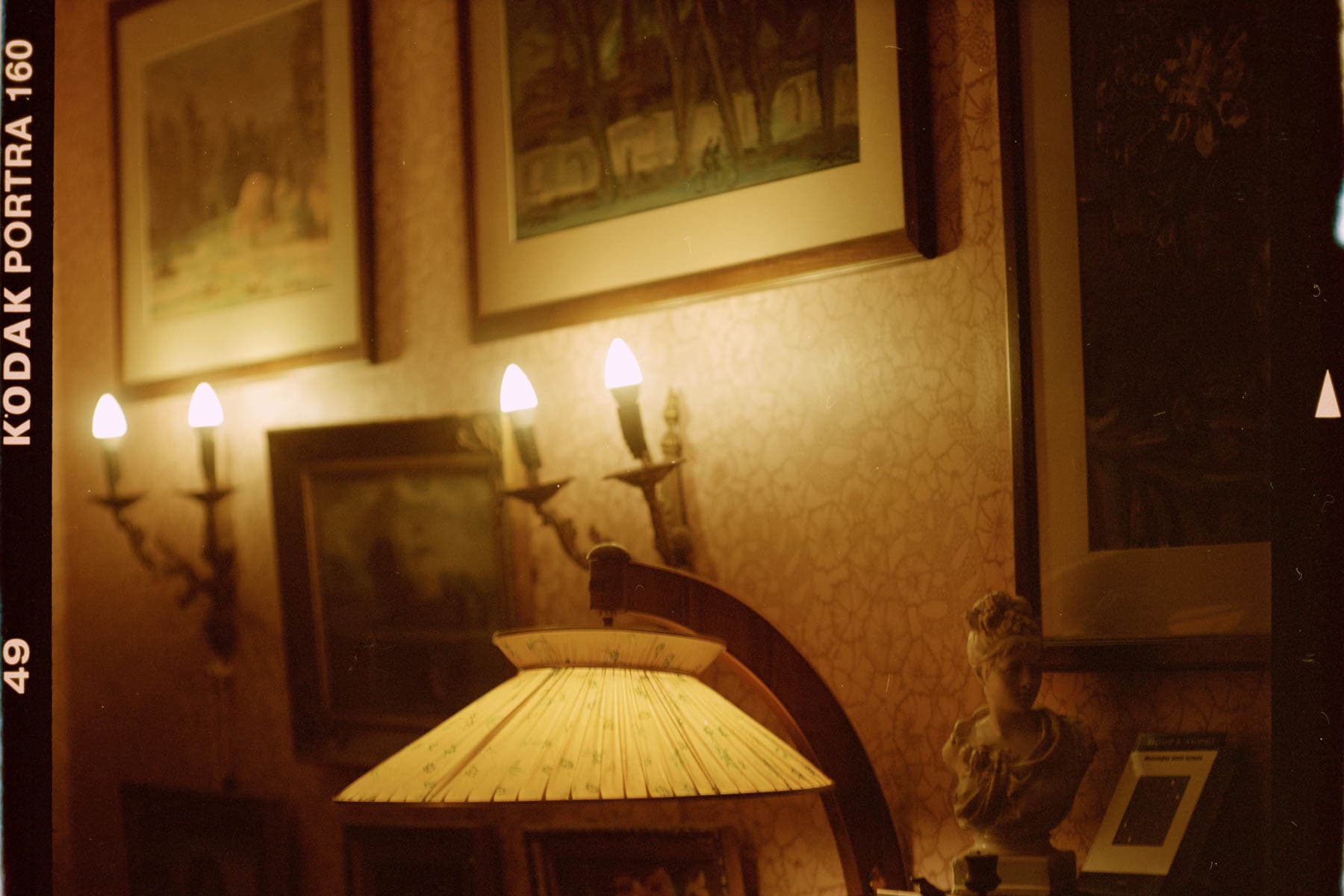
Verdict
Kodak Portra 160 delivers finest grain of Portra family, exceptional sharpness, muted pastel colors, and natural skin tones at ISO 160. Best for portraits, fashion, and studio work in bright light where subtle elegance matters more than versatility.
Film photographers debate Kodak Portra 160 endlessly: some praise its finest grain in the Portra family, exceptional detail, and muted pastel aesthetic perfect for elegant portraits. Others question whether the low ISO 160 speed and subdued colors justify choosing it over the more versatile Portra 400. The debate centers on whether Kodak Portra 160's refined restraint is worth sacrificing speed and color punch.
Kodak Portra 160 Background
Kodak launched Portra 160 in 1998 and updated it in 2011 to combine the earlier Portra 160NC (neutral color) and 160VC (vivid color) variants into a single emulsion using cinema film technology. This consolidation gave photographers the best of both worlds. It's the slowest of the Portra family (160, 400, 800), which means finest grain but less versatility. Available in 35mm, 120, and sheet film formats.
Key features include ISO 160 speed, finest grain of the entire Portra line, exceptional sharpness, muted pastel colors, low contrast for a soft elegant look, natural skin tones, and wide exposure latitude (+/- 2 stops). Within the film community, Kodak Portra 160 has earned a reputation as the most refined but least versatile Portra, the film you choose when conditions allow for it.
Kodak Portra 160 Image Characteristics
Color & Tone
Kodak Portra 160's color palette is muted and pastel, with colors that are tastefully subdued rather than punchy. Reds, oranges, and yellows come through warm but restrained, while greens render pleasant and natural. Blues can show a cyan/green cast when overexposed, but this is easily managed. Think subtle, elegant, timeless, this isn't a film that screams for attention. The low contrast creates a soft, gentle look that's incredibly flattering for portraits. In bright sun, colors can take on an almost childlike or storybook quality, while overcast conditions tend to produce flat, muddy results. Skin tones are consistently natural and flattering with that signature warm Portra palette, creating an overall mood that's refined, restrained, and classic.
Contrast & Dynamic Range
Kodak Portra 160 delivers wide exposure latitude (+/- 2 stops), though the film's low-medium contrast creates a characteristically soft look. Shadow detail is good but not quite as robust as Portra 400, while highlight retention remains excellent throughout the exposure range. When you overexpose by 1.5+ stops, colors shift toward cyan, creating that distinctive pastel effect many photographers love. The film responds particularly well to overexposure—shooting at ISO 100 or ISO 80 will give you a punchier, more vivid look if the standard rendering feels too subdued. In dull weather, that low contrast becomes problematic, producing flat and muddy results. Best results come from bright mixed lighting to sunny daylight, where the film's approximately 7 stops of dynamic range can really shine.
Grain & Sharpness
Kodak Portra 160 shows the finest grain of the entire Portra family. According to Kodak's Print Grain Index, Portra 160 is 12% more grainy than Ektar 100 but 16% less grainy than Kodak Gold 200—putting it in an elite category for detail rendition. In 120 format, grain is minimal and absolutely stunning, while in 35mm it's very fine but still present enough to remind you you're shooting film. Sharpness is exceptional with lots of detail throughout the frame, and the film delivers smooth grain with beautifully defined edges. There's a certain softness to the rendering that doesn't detract from sharpness but rather creates a smooth edge instead of a harsh, crisp one. This smoothness is what makes faces so pleasing and portraits so elegant. In medium format, the detail is incredible enough for poster-sized prints that rival digital.
How to Shoot Kodak Portra 160: Portrait Photography, Fashion Photography, and More
Kodak Portra 160 thrives in bright light with controlled or natural lighting.
Box Speed, Pushing & Pulling
Kodak Portra 160 is rated at ISO 160, and shooting at box speed will give you balanced, predictable results. That said, many photographers deliberately overexpose by shooting at ISO 100 or even ISO 80 for a punchier, more vivid look, overexposing by 1/3 to a full stop is particularly recommended in 35mm. The film handles overexposure remarkably well, creating that distinctive pastel effect at 1.5+ stops over that's become something of a signature look. While you can push or pull Portra 160, it's generally unnecessary since Portra comes in 160, 400, and 800 speeds, you're better off just using the appropriate speed film for your situation. Regardless of how you expose it, develop normally in C-41.
Ideal Lighting & Metering
Kodak Portra 160 needs bright light for best results, the ISO 160 speed simply limits low-light use without flash. In bright sunlight the film produces excellent results, and it really shines in mixed lighting to sunny daylight conditions. For portraits, natural window light works beautifully, while studio strobes and speedlights give you the controlled lighting this film loves. In overcast or dull weather, that low contrast becomes a liability, creating flat, muddy results that lack the film's characteristic elegance. When metering for portraits, focus on skin tones and err toward overexposure. The film's low contrast means bright light isn't just preferred, it's essential for getting the refined look Portra 160 is known for.
Best Cameras for Kodak Portra 160: Hasselblad, Mamiya RZ67, and More
Kodak Portra 160 works in any camera but shines in medium format. Medium format cameras (Hasselblad 503CW, Mamiya RZ67, Pentax 67, Bronica RF645) showcase finest grain beautifully. 35mm cameras (Leica M6, Canon EOS 3, Nikon FM2n) work great but show more grain. The film's exceptional detail benefits from quality optics. Point-and-shoots work in bright conditions. Large format produces stunning detail.
Scanning & Post-Processing (Digitizing Your Results)
Lab Scans vs Home Scanning
Labs handle Kodak Portra 160 well with standard C-41 processing, though the film scans easily it may show a magenta cast that requires correction. Fuji Frontier scanners tend to add saturation and contrast, while Noritsu scanners render a flatter, more muted image that some photographers actually prefer. Silverfast software produces similarly flat, muted results. When scanning at home, expect some magenta drift that will require Photoshop correction—auto color can over-correct to green, so you may need a second auto tone adjustment to bring things back to neutral. Despite these quirks, the film scans straightforward without excessive noise, and while there's slight cupping, it flattens nicely in scanning trays.
Digital Flexibility & Grading
Kodak Portra 160's muted look provides excellent base for post-processing. The film responds well to adding color in post (cyan to shadows, orange to highlights). Can add selective saturation to non-skin areas while keeping skin tones natural. Most shooters add contrast and saturation in post. When overexposed, cyan cast can be corrected with cooler temperature and magenta shift. The film takes color grading well. Some photographers prefer leaving scans alone for unique look.
When Kodak Portra 160 Shines: Portrait Photography and Fashion Photography
Best for: Portrait photography (natural skin tones, finest grain), fashion photography (elegant aesthetic), studio photography (controlled lighting), wedding photography (bright conditions), natural light photography (window light), landscape photography (bright sunny days), still life photography (food, products), autumn photography (colored leaves), commercial photography (professional quality).
Struggles with: Low-light situations (needs flash), overcast days (flat muddy results), vivid landscapes (colors too muted), travel photography (underwhelming colors), situations requiring punchy colors (subdued palette), budget shooting (expensive), versatility needs (limited by speed), photographers preferring vibrant look (pastel aesthetic).
If you need X, shoot Y instead:
- "Need versatility and speed" → Kodak Portra 400
- "Need vivid punchy colors" → Kodak Ektar 100
- "Need low-light capability" → Kodak Portra 400 or Portra 800
- "Need budget option" → Kodak Pro Image 100 or Kodak Gold 200
Kodak Portra 160 vs Kodak Portra 400, Kodak Ektar 100, and Fuji Pro 400H
If you're considering Kodak Portra 160, you're probably curious about other portrait films. Kodak Portra 400 offers more versatility with faster speed. Kodak Ektar 100 provides vivid saturated colors with finest grain. Fuji Pro 400H (discontinued) offered cooler tones. Kodak Portra 160 sits in the refined niche: finest grain of Portra family with muted elegance.
Choose Kodak Portra 160 if you want finest grain and muted pastel aesthetic in bright light. Choose Portra 400 for versatility. Choose Ektar 100 for vivid colors. Choose Pro Image 100 for budget alternative.
* Prices as of December 2025 – always fluctuating. Check current suppliers.
| Film | Why choose it | Where it loses vs Kodak Portra 160 | Typical price* |
|---|---|---|---|
| Kodak Portra 400 | More versatile, faster speed, similar skin tones | Slightly more grain, less refined look | $13-15/roll |
| Kodak Ektar 100 | Vivid saturated colors, world's finest grain | Not ideal for skin tones, high contrast | $11-13/roll |
| Kodak Pro Image 100 | Budget option, similar pastel look, punchy contrast | More grain, less shadow detail, less sharp | $5-7/roll |
Digital Alternative (When You Can't Shoot Film)
Kodak Portra 160's muted pastel colors can be approximated digitally with careful color grading. While our Daydream preset offers balanced cinematic looks, it doesn't specifically replicate Kodak Portra 160's subtle pastel character. For photographers wanting this aesthetic digitally, reducing saturation and contrast with warm grading can get close. However, the film's unique grain and organic palette remain difficult to replicate perfectly.
Is Kodak Portra 160 Worth It in 2025?
Kodak Portra 160 is available in 35mm, 120, and sheet film. As of December 2025, expect to pay $14-17 for 35mm, $15-18 for 120. It's expensive, among priciest color negative films. Widely available from B&H, Freestyle, Analogue Wonderland.
At $14-17 per roll, Kodak Portra 160 is premium-priced. Worth it for portrait and fashion photographers who want finest grain and muted elegant aesthetic in bright light. Not worth it for general-purpose shooting where Portra 400 offers better versatility. Bottom line: if you shoot portraits in bright conditions and value refined restraint, Kodak Portra 160 justifies its premium price as most elegant Portra.
Frequently Asked Questions
Is Kodak Portra 160 worth it in 2025?
In 2025, Kodak Portra 160 costs around $14-17 per roll, making it expensive. Worth it for portrait and fashion photographers who want finest grain of Portra family and muted elegant aesthetic in bright light. If you need versatility or shoot in variable lighting, Portra 400 offers better value. For vivid landscapes, Ektar 100 is better choice. In short, if refined restraint and finest grain matter more than versatility, Kodak Portra 160 is worth premium price.
Kodak Portra 160 vs Portra 400 – what's the difference?
Comparing Kodak Portra 160 to Portra 400: Portra 160 has finest grain, more muted pastel colors, and lower contrast but requires bright light (ISO 160). Portra 400 is more versatile with faster speed, slightly more grain, and works in variable lighting. Portra 160 costs similar but offers less flexibility. Choose Portra 160 for portraits in bright light with finest grain. Choose Portra 400 for all-purpose versatility.
What ISO should I shoot Kodak Portra 160 at?
Kodak Portra 160 is rated at ISO 160. Shoot at box speed for balanced results. Many photographers overexpose by shooting at ISO 100 or ISO 80 for punchier more vivid look. Overexposing 1/3 to full stop is recommended in 35mm. At 1.5+ stops overexposure, colors shift toward cyan creating pastel effect. The film handles overexposure well. Develop normally in C-41 regardless of exposure.
Does Kodak Portra 160 work in low light?
No, Kodak Portra 160 struggles in low light. The ISO 160 speed requires bright light or flash. The film is designed for bright mixed lighting to sunny daylight. In overcast or dull weather, low contrast creates flat muddy look. For low-light photography, choose Kodak Portra 400 or Portra 800 instead. Kodak Portra 160 is bright-light-only film best for studio or outdoor shooting in sun.
How do you scan Kodak Portra 160?
Kodak Portra 160 scans easily but may show magenta cast. Fuji Frontier scanners add saturation and contrast. Noritsu scanners and Silverfast render flatter muted image. When scanning at home, expect magenta drift requiring Photoshop correction. Use auto color but watch for over-correction to green. Second auto tone adjustment brings images to middle point. The film scans straightforward without excessive noise.
What subjects work best with Kodak Portra 160?
Kodak Portra 160 works best for portraits with natural flattering skin tones and finest grain. Excellent for fashion photography with elegant aesthetic. Great for studio work with controlled lighting, wedding photography in bright conditions, natural light portraits with window light, and still life (food, products). Also good for autumn landscapes with colored leaves. Less ideal for vivid landscapes, travel photography, or situations requiring punchy colors.
Can you use Kodak Portra 160 for landscapes?
Yes, Kodak Portra 160 works for landscapes but with caveats. The muted pastel colors aren't ideal for vivid landscapes, beaches, or scenes requiring color pop. Kodak Ektar 100 is better for those. However, Portra 160 looks incredible in autumn with colored leaves. The finest grain and exceptional detail suit landscape photography in bright light. Best for photographers wanting subtle elegant landscape aesthetic over punchy vivid colors.
Why is Kodak Portra 160 so expensive?
Kodak Portra 160 is expensive ($14-17 per roll) due to professional-grade emulsion, finest grain technology, and lower production volume than Portra 400. The film uses cinema film technology from 2011 update. As professional portrait film, it commands premium price. Sometimes in short supply, driving prices higher. For budget alternative with similar pastel look, Kodak Pro Image 100 costs significantly less.
Related reading
Related Topics
Join the iOS Beta
Join the beta to be the first to experience authentic film photography with Daydream Film.