
Film Reviews
CineStill 400D Review: The Versatile Daylight Film with Cinematic Halation

Shane Labelle
· 8 min read
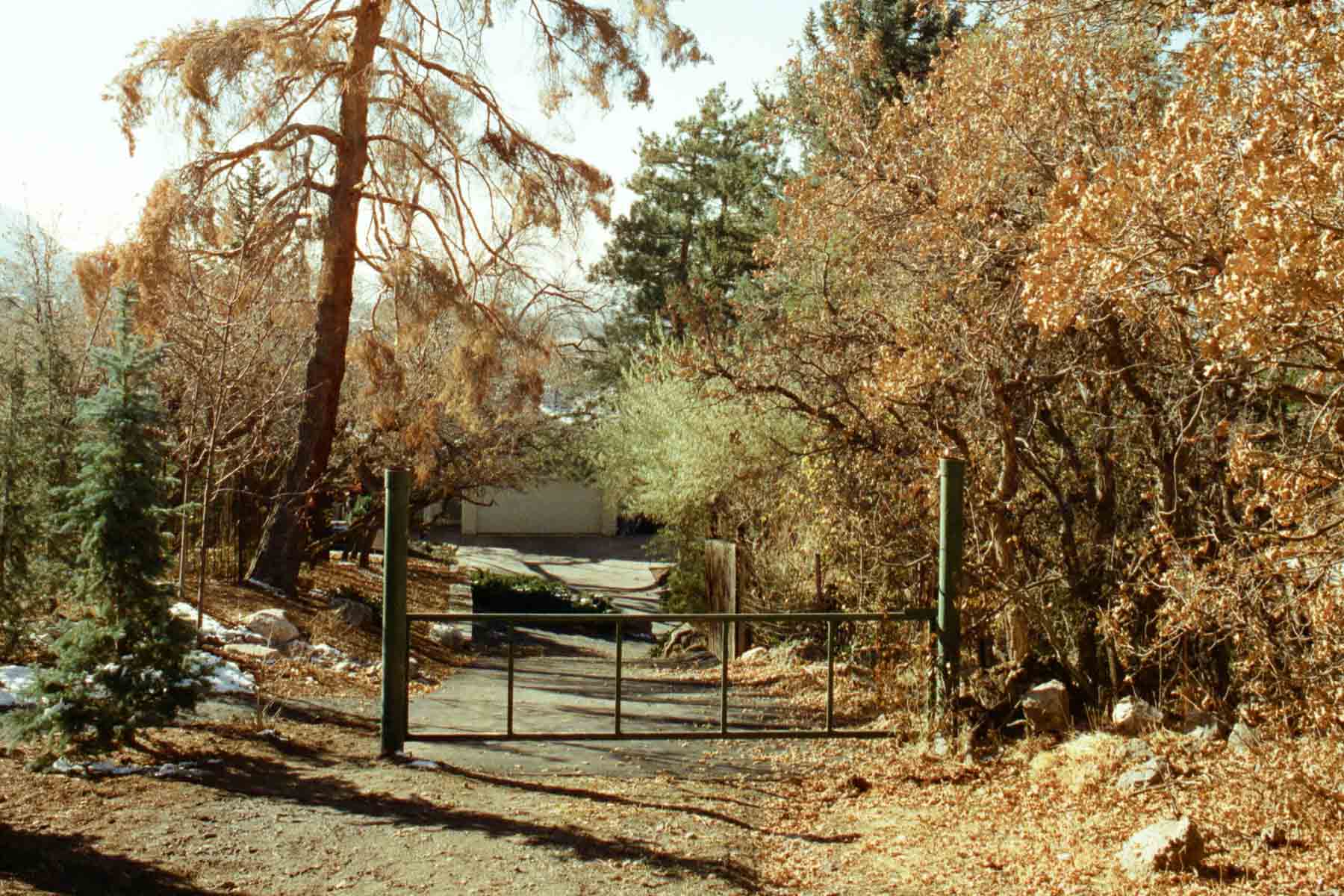
Verdict
CineStill 400D is a versatile ISO 400 daylight film with exceptional dynamic range (ISO 200-3200), very fine grain, and signature red halation. Best for photographers who want cinematic character with flexibility in post.
Film photographers are divided on CineStill 400D: some praise its exceptional dynamic range and fine grain, others find the halation effect distracting and the scanning workflow challenging. The debate centers on whether this film's cinematic characteristics justify its premium price over proven stocks like Portra 400.
CineStill 400D Background
CineStill introduced 400D in March 2022 as the company's first film manufactured specifically for still photography rather than repackaged cinema stock. This was a big deal, marking CineStill's evolution from film repackager to film manufacturer. It's a daylight-balanced ISO 400 color negative film available in 35mm, 120, and 4×5 formats.
Key features include very fine grain, exceptional dynamic range (ISO 200-3200 without development adjustment), anti-static coating that prevents those red lightning artifacts common in other CineStill films, and signature halation from the removed anti-halation layer. CineStill positioned 400D as a versatile everyday film competing directly with Portra 400 and Ektar 100.
CineStill 400D Image Characteristics
Color & Tone
CineStill 400D renders colors with soft, muted saturation that feels rich without being flat, which is a nice balance. The palette leans warm with a subtle amber tint, especially in bright conditions. Reds pop dramatically (almost Ektar-like in their intensity), blues remain true and accurate, while greens lean yellow-green. Skin tones render warm with a peachy-pink bias that's quite flattering for portraits. Scans often show a mint-green cast requiring correction, which is normal for this film. Expect flat, cinematic contrast straight from the scanner, think RAW file flexibility rather than finished product. In mixed lighting, 400D handles color balance remarkably well, maintaining neutral whites while preserving warm and cool tones separately.
Contrast & Dynamic Range
The contrast is flat and cinematic by design, giving you maximum post-processing flexibility. Exceptional dynamic range of 12+ stops means detail is captured in both shadows and highlights even in challenging scenes. The film handles ISO 200-800 without any development adjustment needed, which is incredibly convenient. Pushing +2 stops (ISO 1600) yields impressive results with controlled grain that's still very usable. Pushing +3 stops (ISO 3200) is possible but grain increases noticeably. In high-contrast scenes, shadow detail is preserved beautifully while highlights roll off gently. Even underexposure by -1 stop recovers beautifully in post.
Grain & Sharpness
The grain structure is very fine, comparable to Portra 400 and possibly even finer in some situations. Based on Vision3 cinema film technology with refined T-grain emulsion, this is serious film stock. In 35mm, grain is barely visible at box speed, while in 120 it's nearly imperceptible. Sharpness is exceptional, resolving incredible detail that's limited by your lens, not the film. Grain remains impressively controlled even when pushed +2 stops, which is remarkable. The fine grain creates smooth tonal transitions that are perfect for portraits and landscapes. When enlarged, the grain structure resembles a tight mosaic rather than random noise.
Unique Characteristics & Quirks
CineStill 400D lacks an anti-halation layer, which causes red-orange halation around bright highlights, it's less dramatic than 800T but still visible and distinctive. The effect is most prominent around point light sources like the sun, reflections, chrome, and glass. In bright daylight on reflective surfaces, halation can create a subtle warm cast across the entire image. The effect adds cinematic character that many love, though it can be distracting if unintended. Scans come out flat with a blue-green shift requiring color correction, which is a workflow consideration to keep in mind. The film dries flat, which is nice. Anti-static coating prevents those red lightning artifacts that were common in other CineStill films.
How to Shoot CineStill 400D: Travel Photography, Portrait Photography, and More
Box Speed, Pushing & Pulling
Rated at ISO 400. Exceptional latitude: shoot from ISO 200-800 without changing development. Pushing to ISO 1600 (+2 stops) yields impressive results with controlled grain and maintained detail. Pushing to ISO 3200 (+3 stops) possible but grain increases noticeably and contrast bumps. Pulling not common—film already has flat contrast. Optimal exposure is box speed or slight overexposure (+1/3 stop) for maximum shadow detail.
Ideal Lighting & Metering
CineStill 400D loves bright daylight—colors pop and halation adds character. Meter for midtones or slight overexposure to preserve shadow detail. Latitude means you can safely overexpose by +2 stops without losing highlights. In bright sun, halation appears on reflective surfaces. Overcast days produce neutral, flat contrast perfect for grading. Mixed lighting handled surprisingly well—maintains color separation. Indoor fluorescent renders neutrally thanks to slight warm bias offsetting green cast. Low light requires ISO 800 rating or push processing.
Best Cameras for CineStill 400D: Contax T2, Pentax 67, and More
CineStill 400D's fine grain shines in any format. In 35mm, pair with sharp lenses (Contax T2, Olympus Mju II, Leica Summicron) to maximize detail. ISO 400 speed suits point-and-shoots with slower lenses—forgiving latitude handles metering errors. In 120 (Pentax 67, Hasselblad, Mamiya 7), grain disappears entirely, yielding incredibly smooth results. The flat contrast and fine grain make it ideal for scanning and digital post-processing workflows. DX-coded for auto-exposure cameras.
Scanning & Post-Processing (Digitizing Your Results)
Lab Scans vs Home Scanning
Most labs handle CineStill 400D with standard C-41 profiles, though scans often come back flat with blue-green or mint-green cast. Auto-scan algorithms struggle with the film's flat contrast and unique base tone. Home scanning with Silverfast, VueScan, or Negative Lab Pro requires manual color correction—shift away from green toward red-magenta. Scans as positive and invert manually for best control. Film base is standard acetate, not unusually thick or thin.
Digital Flexibility & Grading
CineStill 400D's flat initial scan gives you massive room to adjust in Lightroom/Photoshop. Push contrast, shift colors, lift shadows, pull highlights—the film handles it all without breaking apart. Shadow detail remains clean even with significant manipulation, minimal color noise. This is a film designed for hybrid workflow: analog capture, digital post-production. The flat contrast is a feature, not a bug—treat it like a RAW file.
When CineStill 400D Shines: Natural Light Photography and Street Photography
Best for: travel photography, portrait photography, street photography, natural light photography, mixed lighting photography, landscape photography (fine detail), everyday shooting, versatile conditions.
Struggles with: night photography (ISO 400 too slow without push), extreme tungsten lighting (daylight-balanced), predictable color straight from scanner (requires post-processing).
If you need X → shoot Y instead:
- "Need tungsten balance" → CineStill 800T
- "Need punchy saturation" → Kodak Ektar 100
- "Need warmer skin tones" → Kodak Portra 400
CineStill 400D vs Portra 400, Ektar 100, and CineStill 800T
If you're considering CineStill 400D, you're eyeing Portra 400 and Ektar 100. Portra 400 offers warmer, more flattering skin tones with less post-processing needed but lacks 400D's dynamic range and halation character. Ektar 100 delivers punchier saturation and finer grain but is slower (ISO 100) and less forgiving. CineStill 400D sits in the sweet spot—exceptional dynamic range, fine grain, cinematic character with halation, but requires color correction in post.
Choose CineStill 400D if you value dynamic range and post-processing flexibility and don't mind scanning workflow. Choose Portra 400 for easier scanning and warmer skin tones. Choose Ektar 100 for maximum saturation and detail in bright light.
* Prices as of December 2025 – always fluctuating. Check current suppliers.
| Film | Why choose it | Where it loses vs CineStill 400D | Typical price* |
|---|---|---|---|
| Kodak Portra 400 | Warmer skin tones, easier scanning, proven reliability | Less dynamic range, less halation character, higher price | $16-18 |
| Kodak Ektar 100 | Punchier saturation, finer grain, vivid colors | Slower speed (ISO 100), less forgiving latitude | $14-16 |
| CineStill 800T | Tungsten-balanced for night, dramatic halation, faster speed | Not daylight-balanced, blue cast in daylight, higher price | $17-19 |
Is CineStill 400D Worth It in 2025?
CineStill 400D is available in 35mm, 120, and 4×5. As of December 2025, expect to pay $14-17 for 35mm (36 exposures), $15-18 for 120. Widely available from B&H Photo, Freestyle Photo, and specialty retailers.
At $15 per roll, worth it for photographers who need exceptional dynamic range and don't mind color-correcting scans. Not worth it if you want predictable color straight from the scanner or prefer warmer Portra skin tones. Bottom line: CineStill 400D is a versatile, high-quality film with cinematic character—worth the premium if you value flexibility and fine grain.
Frequently Asked Questions
Is CineStill 400D worth it in 2025?
In 2025, CineStill 400D costs around $15 per roll. It's worth it for photographers who need exceptional dynamic range (ISO 200-3200), fine grain, and cinematic halation, but if scanning workflow and color correction are concerns, Portra 400 might be easier. In short, if you're shooting travel photography, mixed lighting, or need push capabilities, CineStill 400D will deliver; for predictable color straight from scanner, save money with Portra 400.
CineStill 400D vs Portra 400 – which is better?
Comparing CineStill 400D to Portra 400: 400D offers superior dynamic range (ISO 200-3200 vs Portra's narrower latitude), finer grain, and halation character, while Portra 400 has warmer skin tones and easier scanning with less color correction needed. Choose CineStill 400D if you value flexibility and post-processing control, Portra 400 if you want reliable color straight from the scanner.
Can you push CineStill 400D? What about pulling?
Yes, CineStill 400D pushes exceptionally well to ISO 1600 (+2 stops)—expect controlled grain, maintained detail, slightly increased contrast. Pushing +3 stops (ISO 3200) is possible but grain becomes noticeable. Pulling isn't common because the film already has flat contrast, but rating at ISO 200 and pulling development gives even flatter results. For best results, shoot at box speed (ISO 400) or push +2 stops maximum.
What cameras pair best with CineStill 400D?
CineStill 400D's fine grain makes it ideal for any camera with sharp lenses. Pair with Contax T2, Olympus Mju II, or Leica M-series for maximum detail in 35mm. In medium format (Pentax 67, Hasselblad 500CM, Mamiya 7), grain disappears entirely. The ISO 400 speed and forgiving latitude make it perfect for point-and-shoots where precise metering isn't possible. Works beautifully in 4×5 large format for incredibly smooth, detailed results.
How does CineStill 400D handle mixed lighting?
CineStill 400D handles mixed lighting surprisingly well for a daylight-balanced film. The flat contrast and wide dynamic range preserve color separation between tungsten, fluorescent, and daylight sources. Indoor fluorescent renders neutrally thanks to slight warm bias offsetting green cast. For best results in mixed lighting, meter for midtones and adjust white balance in post-processing—the film's flexibility makes color correction easy.
Does CineStill 400D scan well?
CineStill 400D scans flat with blue-green or mint-green cast—auto-scan algorithms struggle with the unique base tone. Home scanners handle it well with manual color correction (shift away from green toward red-magenta). Scanning as positive and inverting manually gives best control. Most labs use standard C-41 profiles which work but may need adjustment. The flat scans are a feature—treat them like RAW files with massive post-processing flexibility.
What's the halation like on CineStill 400D?
CineStill 400D has red-orange halation around bright highlights—less dramatic than 800T but still visible. Most prominent around point light sources (sun, reflections, chrome, glass). In bright daylight on reflective surfaces, halation creates subtle warm cast across entire image. The effect is cinematic and adds character but can be distracting if unintended. Halation is caused by removed anti-halation layer and is a defining characteristic of CineStill films.
Can CineStill 400D be used for portraits?
Yes, CineStill 400D works beautifully for portraits. Fine grain and flat contrast create smooth skin rendering. Skin tones lean warm with peachy-pink bias, flattering in natural light. The ISO 400 speed suits indoor and outdoor shooting. However, Portra 400 may be easier for portraits if you want warmer skin tones straight from the scanner without color correction. CineStill 400D excels when you want cinematic character and plan to color-grade in post.
Related reading
Related Topics
Join the iOS Beta
Join the beta to be the first to experience authentic film photography with Daydream Film.