
Photography Guides
Event Photography Guide: Camera Settings, Candids & Low Light Tips
Daydream Editorial
· 10 min read
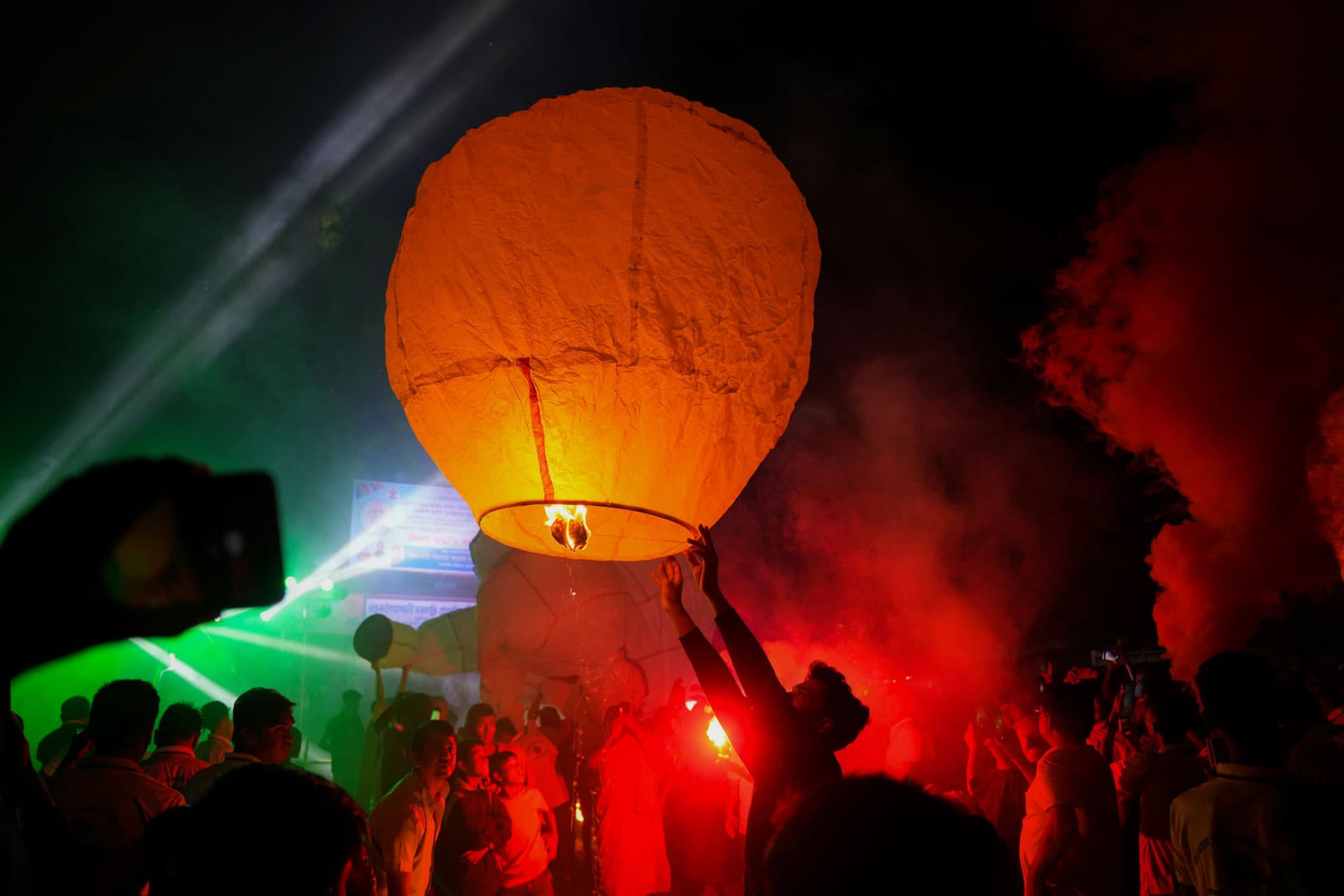
Event photography creates a unique pressure: you get one chance to capture each moment. Miss the keynote speaker's best expression, blur the group photo, or forget to shoot the venue details, and there's no do-over. Event photography demands preparation, adaptability, and the confidence to capture fleeting moments without hesitation or the luxury of checking results until weeks later.
What You'll Learn
This guide covers event photography on film: essential gear and backup systems, camera settings for mixed lighting, composition techniques for candids and group shots, lighting strategies for indoor venues, and professional workflow. Whether shooting corporate functions, weddings, or community gatherings, you'll find practical techniques to document complete event stories.
Who This Guide Is For
Photographers (beginners to intermediate) who want to master event coverage, capture authentic candid moments, and deliver professional results under pressure without missing critical shots.
The challenge and reward of event photography
Event photography demands technical versatility, social awareness, and split-second timing. You're working in unpredictable lighting, moving through crowded spaces, and capturing moments that won't repeat. Mixed lighting (tungsten chandeliers, LED uplighting, window light) creates exposure and color balance challenges film can't correct mid-roll.
When you nail it, you create a visual story that lets absent friends experience the event vicariously. A spontaneous laugh between colleagues, a speaker's passionate gesture, guests lost in conversation. The difference between snapshots and compelling event coverage comes down to anticipation paired with technical preparation.
Every event unfolds once. You either catch it or you don't.
Essential equipment for event photography
Event photography demands reliable gear and backup systems. Equipment failures cost you unrepeatable shots.
Camera body requirements
Manual SLRs with motor drives and TTL flash metering work best. The Nikon FE2 or Canon AE-1 Program handles events well with dependable metering. The Olympus Stylus or Yashica T4 offers compact alternatives. Carry two bodies if possible: one with Portra 400, another with Portra 800 for low light.
Lenses & film stocks
A 35mm f/2 or 50mm f/1.8 covers most scenarios. Add an 85mm f/2 for discrete candid work. Portra 400 handles mixed lighting. Portra 800 excels in dim venues. Cinestill 400D renders tungsten naturally. Ektar 100 works for outdoor daytime events.
Essential: external flash with bounce capability, spare batteries, multiple rolls of each film stock.
Camera settings for event photography
Event photography demands flexible settings that adapt to changing conditions. You'll move from bright outdoor spaces to dim ballrooms within minutes.
Exposure & metering
Meter for your subject, not the overall scene. In mixed lighting (bright windows, dark corners), spot meter on faces to ensure proper skin tone exposure. Portra 400 at box speed (ISO 400) handles most event lighting. Portra 800 gives you one stop more latitude for dim venues.
Settings recipe (indoor event, bounce flash):
- Film: Portra 400 (ISO 400)
- Aperture: f/4 (balances depth for small groups with sharpness)
- Shutter speed: 1/60s (sync speed, captures ambient light)
- Flash: TTL bounce off ceiling, minus one stop compensation
- Metering: Spot on subject's face
This combination captures ambient atmosphere while flash provides clean, soft illumination on subjects. Film's latitude handles slight variations in room brightness.
- •Film: Portra 400 (ISO 400)
- •Aperture: f/4 (balances depth for small groups with sharpness)
- •Shutter speed: 1/60s (sync speed, captures ambient light)
- •Flash: TTL bounce off ceiling, minus one stop compensation
- •Metering: Spot on subject's face
Focus & depth
For candid work, pre-focus on the distance where action happens (conversation circles, dance floor, speaker podium), then use zone focusing at f/4-f/5.6 for acceptable sharpness across a range. For formal group shots, stop down to f/8 to ensure everyone from front to back stays sharp.
Manual focus demands anticipation. Watch for moments building (someone about to laugh, speaker emphasizing a point), focus, then shoot as it peaks. Your hit rate improves with practice reading body language and timing.
Composition techniques for event photography
Event photography balances documentation with artistry. You're capturing what happened while making it visually compelling.
Candid moments
The strongest event photos show genuine interaction, not forced poses. Position yourself where you can observe without intruding. A 50mm or 85mm lens lets you shoot from conversational distance, capturing natural expressions and gestures.
Watch for: laughter between colleagues, animated conversation with hand gestures, quiet moments of reflection, spontaneous reactions to speeches. Shoot when subjects are engaged with each other, not aware of you.
Frame tightly. Head-and-shoulders or waist-up compositions work better than full-body shots that include distracting backgrounds. Crop to emphasize connection between people, not empty space around them.
Group shots
Groups of three to five people work best, arranged in triangular or diagonal compositions rather than rigid lines. For larger groups, position people on different levels (stairs, risers, seated and standing) to create depth and ensure all faces show clearly.
Shoot at f/8 minimum for groups to maintain sharpness front to back. Use flash to fill shadows and even out lighting across faces. Take multiple frames, people blink and shift. Three to five shots of each group ensures at least one where everyone looks good.
Venue & detail shots
Document the space before guests arrive: table settings, signage, decorations, architectural details. These context shots establish atmosphere and show the effort organizers invested. Shoot wide to capture the full room, then move in for details that tell the story: place cards, centerpieces, branded elements.
Lighting techniques for event photography
Event lighting challenges you constantly. Master bounce flash and mixed-source metering.
Bounce flash technique
Bounce flash off ceilings or walls creates soft, natural light. Aim flash at 45 degrees toward white ceiling, use TTL mode with minus one stop compensation. This bounce light technique softens shadows while maintaining directional quality. For colored ceilings, attach a white bounce card to redirect light forward. Side light from bounced flash adds dimension to faces without harsh shadows. Test early and adjust.
Mixed lighting scenarios
Events combine tungsten, LED, and window light with varying ambient light levels. Cinestill 400D renders tungsten naturally. Portra 400 handles mixed sources better than Ektar. Spot meter on subjects' faces, not the overall scene. Balance your flash with available natural light for authentic atmosphere. Let backgrounds vary. Film's latitude forgives exposure differences in non-critical areas.
Outdoor challenges
Midday sun creates harsh shadows. Use fill flash at minus two stops to soften without overpowering natural light. Golden hour provides warm light for receptions with beautiful golden highlights on faces and hair. Backlight subjects during golden hour to create rim light separation that adds depth. Meter for highlights, let shadows go slightly dark.
Working with event subjects
Introduce yourself early. Circulate before the event starts, building familiarity. For posed shots, be friendly but efficient. "Quick photo for the organizer" gets cooperation. For candids, stay invisible. Longer lenses capture genuine moments without hovering. Never photograph people eating or with mouths open. Respect anyone who declines photos.
Event photography workflow & shooting tips
Systematic approach prevents missed shots and reduces stress.
Pre-event preparation
Contact organizers two weeks before. Request timeline of key moments. Create shot list: venue setup, VIP attendees, key moments, groups. Scout venue if possible. Note lighting, identify positions, test flash bounce surfaces. Arrive 30 minutes early to shoot empty venue and verify setup.
During the event
Start with venue shots while empty. Capture candid arrivals. Position five minutes early for scheduled moments. Move constantly through space. Crouch for dance floor shots, shoot elevated for crowds. Track film usage. Reload during low-activity moments, not peak action.
Post-event workflow
Label rolls immediately. Request high-resolution scans. Cull ruthlessly: delete blurry, closed eyes, unflattering shots. Deliver 200-400 edited images, not every frame. Quality over quantity.
Post-processing event photography
Event photos benefit from consistent editing that maintains natural look while polishing technical issues.
Request scans with neutral color balance. Event lighting creates mixed color temperatures that scanners often over-correct. Starting neutral gives you control over final look.
Correct exposure variations across the event. Indoor shots may need brightening, outdoor shots may need highlight recovery. Apply consistent adjustments to all images from similar lighting conditions for visual cohesion.
For brand photography or corporate events, ensure accurate color representation of logos, signage, and branded elements. Clients notice when their brand colors look wrong. Use color picker tools to verify accuracy against reference materials.
Common mistakes & how to avoid them
Mistake 2: Running out of film
Solution: Bring 50% more than expected. Eight to ten rolls minimum for three-hour events. Reload during low-activity moments.
Mistake 3: Poor group shots
Shooting at f/2.8 leaves back rows soft. Solution: Use f/8 minimum. Take five to seven frames per group.
Mistake 4: Harsh direct flash
Solution: Bounce flash off ceilings at 45 degrees. Use TTL with minus one stop compensation.
Mistake 5: No backup gear
Solution: Carry two bodies if possible, multiple spare batteries, extra film, backup flash.
Pro event photography tips & techniques
Pre-focus zones: Identify where action will happen (dance floor center, podium, conversation areas), pre-focus on those distances, then shoot when moments occur there. This increases sharpness hit rate for candids.
Shoot through frames: Use doorways, windows, or foreground elements to frame subjects. This adds depth and visual interest to standard event shots, elevating them beyond documentation.
Watch transitions: The best moments often happen between scheduled activities. People moving from ceremony to reception, speakers preparing backstage, quiet conversations during dinner. Stay alert during "downtime."
Vary your height: Shoot from eye level for connection, crouch low for dynamic perspectives, find elevated positions for crowd overviews. Changing perspective throughout the event adds visual variety to your coverage.
Gear recommendations summary
* Prices as of January 2025. These are starting points for building an event kit.
| Category | Budget Option | Mid-Range | Professional |
|---|---|---|---|
| Camera Body | Canon Sure Shot ($50-100 used) | Olympus Stylus ($200-350 used) | Nikon FE2 ($250-400 used) |
| Primary Lens | 50mm f/1.8 ($75-150 used) | 35mm f/2 ($150-250 used) | 35mm f/1.4 ($400-600 used) |
| Flash | Basic hot shoe flash ($30-60 used) | Dedicated TTL flash ($80-150 used) | Professional TTL flash ($150-250 used) |
| Key Accessory | Spare film + batteries ($20-40) | Light meter + cable release ($60-100) | Second camera body ($200-400 used) |
FAQs (intent catchers)
What are the best camera settings for event photography?
For event photography, use aperture priority with f/4 for individuals and small groups, f/8 for larger groups. Set shutter speed to 1/60s minimum (flash sync speed) for indoor work, 1/125s for outdoor action. Use Portra 400 film for versatility or Portra 800 for low light. Bounce flash off ceilings with TTL metering at minus one stop compensation. Spot meter on subjects' faces in mixed lighting to ensure proper exposure.
What camera is best for event photography?
The best camera for event photography has reliable metering, TTL flash capability, and motor drive for continuous shooting. The Nikon FE2 excels at events with fast shutter speeds (1/4000s), solid metering, and compatibility with professional flash systems. The Olympus Stylus or Yashica T4 offers compact, discrete alternatives with autofocus and built-in flash. For professional work, carry two bodies: one with Portra 400, another with Portra 800 for low light.
How do I photograph events in low light?
Use fast film (Portra 800 or Cinestill 400D), wide apertures (f/2-f/2.8), and bounce flash for low-light events. Meter for subjects using spot metering, not the overall dark room. Bounce flash off white ceilings creates soft, even light without harsh shadows. For venues with high or colored ceilings, use a small bounce card on your flash. Accept grain as part of film's character. Grain beats motion blur from too-slow shutter speeds.
What focal length should I use for event photography?
For event photography, 35mm to 50mm focal lengths work best for versatility. A 35mm lens captures small groups and venue context, while 50mm provides flattering perspective for portraits and candids. Add an 85mm lens for discrete candid work from distance without interrupting moments. Avoid ultra-wide lenses (24mm, 28mm) for people shots as they distort faces. Use them only for venue overview shots showing space and atmosphere.
How do I get sharp event photos?
Achieve sharp event photos by using 1/60s shutter speed minimum (1/125s for moving subjects), focusing carefully on subjects' faces, and using flash to freeze motion in low light. At f/4, depth of field covers individuals and small groups. For larger groups, stop down to f/8. Pre-focus on zones where action will happen, then shoot when moments occur there. Use motor drive to capture sequences, increasing odds of sharp frames.
What are common event photography mistakes?
The most common event mistakes are: missing key moments by not knowing the timeline (get a schedule from organizers), running out of film during critical moments (bring 50% more than expected), shooting groups at wide apertures leaving back rows soft (use f/8 minimum), using harsh direct flash (bounce off ceilings instead), and not having backup gear when equipment fails (carry spare batteries, extra film, second body if possible).
How much film should I bring to an event?
For a three-hour event, bring eight to ten rolls minimum (288-360 exposures). Corporate events with speeches and networking consume six to eight rolls. Full-day weddings or festivals demand twelve to fifteen rolls. Pack multiple stocks: Portra 400 for versatility, Portra 800 or Cinestill 400D for low light, Ektar 100 for outdoor daytime coverage. Bring 50% more than you estimate. Running out during key moments is unacceptable professionally.
How do I handle mixed lighting at events?
Mixed lighting (tungsten, LED, window light) creates color balance challenges. Use Cinestill 400D for tungsten-heavy venues (renders warm lighting naturally), or Portra 400 for better mixed-source handling than Ektar. Meter for your subject, not the overall scene. Accept that backgrounds may have color shifts. Focus on accurate skin tones. Request neutral scans from your lab, then correct color in post-processing for consistency across the event gallery.
Conclusion: Your event photography journey
Event photography demands preparation, technical versatility, and social awareness. Start with mastering bounce flash and spot metering in mixed light. Practice at low-pressure events (family gatherings, community functions) before accepting paid work.
Remember: every professional missed focus, ran out of film, and shot with the wrong settings when starting. The difference is learning from each event and showing up prepared next time.
Next steps:
- Create a shot list template covering venue, candids, groups, and key moments
- Practice bounce flash technique in different rooms to understand how ceiling height and color affect results
- Shoot a friend's party or community event to build experience without client pressure
Your unique perspective on event photography matters through authentic moments and technical execution. Now get out there and document some stories.
- •Create a shot list template covering venue, candids, groups, and key moments
- •Practice bounce flash technique in different rooms to understand how ceiling height and color affect results
- •Shoot a friend's party or community event to build experience without client pressure
Author notes (E-E-A-T)
Written by: Daydream Content Team. Experienced film photographers with backgrounds in event, wedding, and corporate photography
Experience: Collective 15+ years shooting events on film. Hundreds of corporate functions, weddings, and community gatherings photographed with film cameras
Gear used: Nikon FE2, Canon AE-1, Olympus Stylus, various lenses (35mm f/2, 50mm f/1.8, 85mm f/2). Portra 400, Portra 800, and Cinestill 400D as primary film stocks
Teaching background: Workshops on event photography workflow and mixed lighting techniques for film photographers
Conflicts of interest: Daydream is our film emulation app. We're transparent that we develop tools for film photographers while shooting film ourselves
Related Topics
Related reading
Join the iOS Beta
Join the beta to experience authentic film photography with Daydream Film when we launch.